.webp)
.webp)
.webp)
%20(1).webp)
.webp)
.webp)
.webp)
.webp)
.webp)
.webp)
%20(1).webp)
.webp)
.webp)
.webp)
.webp)

Custom Configurations
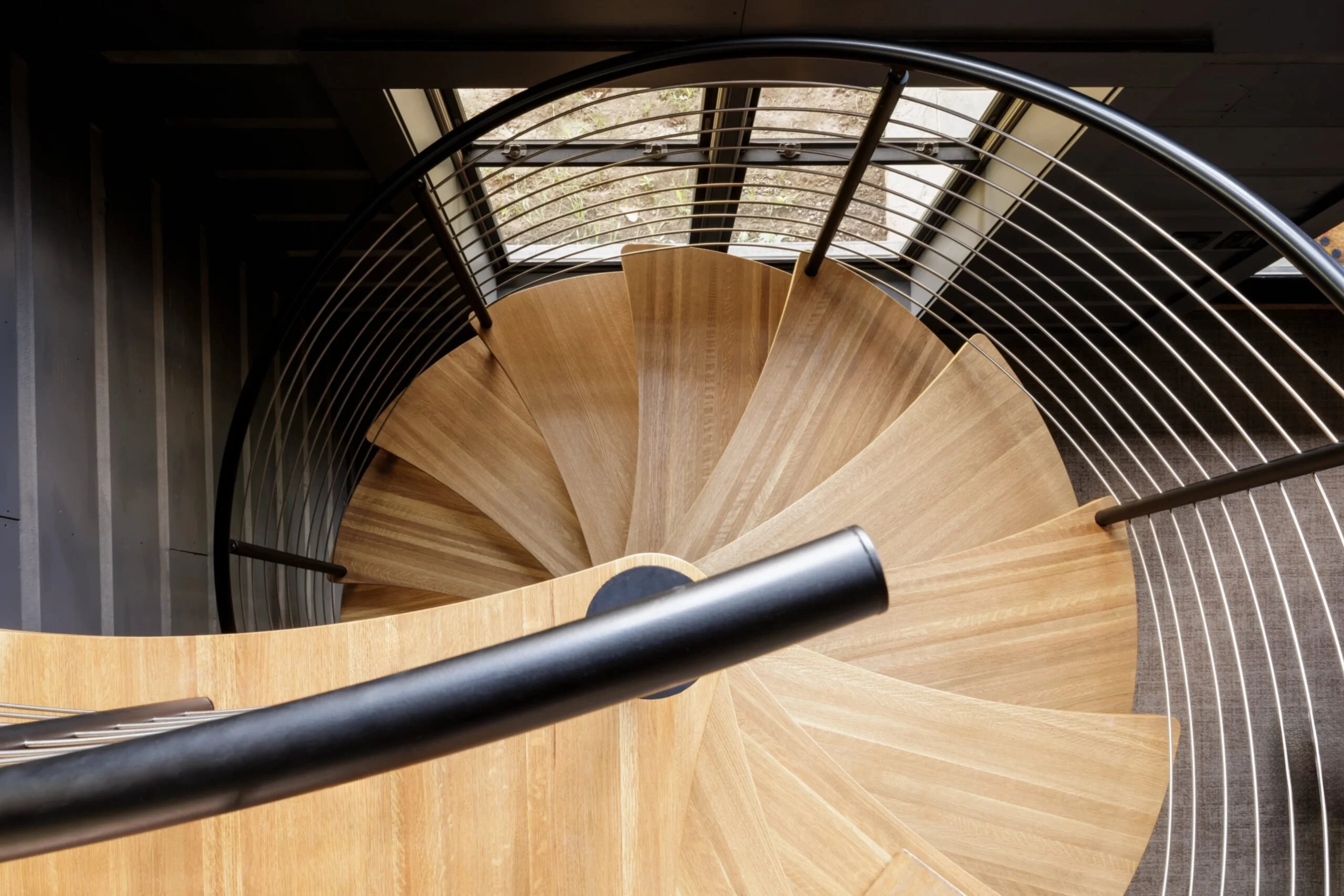
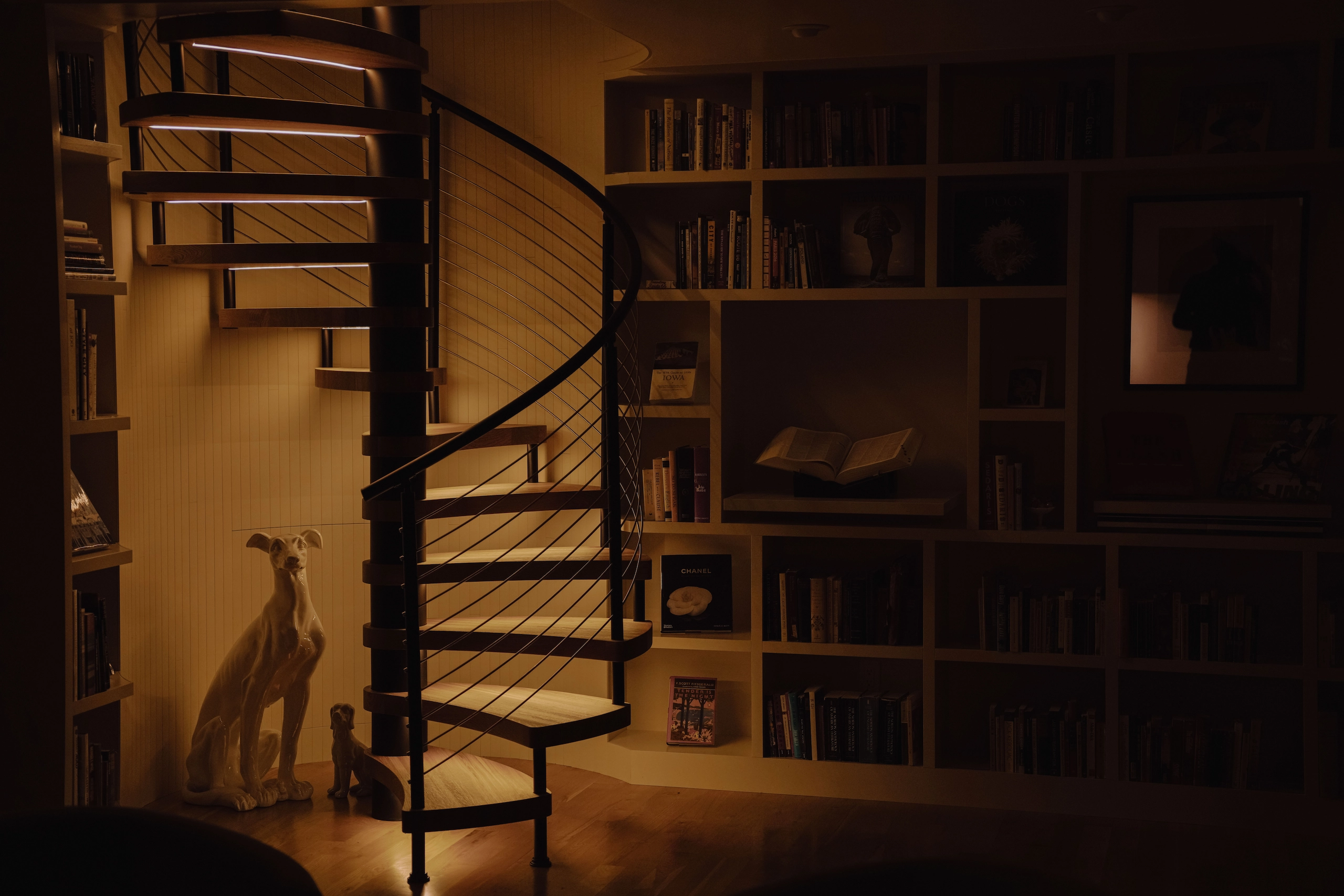
There’s no one-size-fits-all spiral. Diameter, rotation, and floor-to-floor height all get engineered around your space, then every component is fabricated to match. Typical diameters run about 5 to 10 feet, which fits where a straight or switchback flight never could.

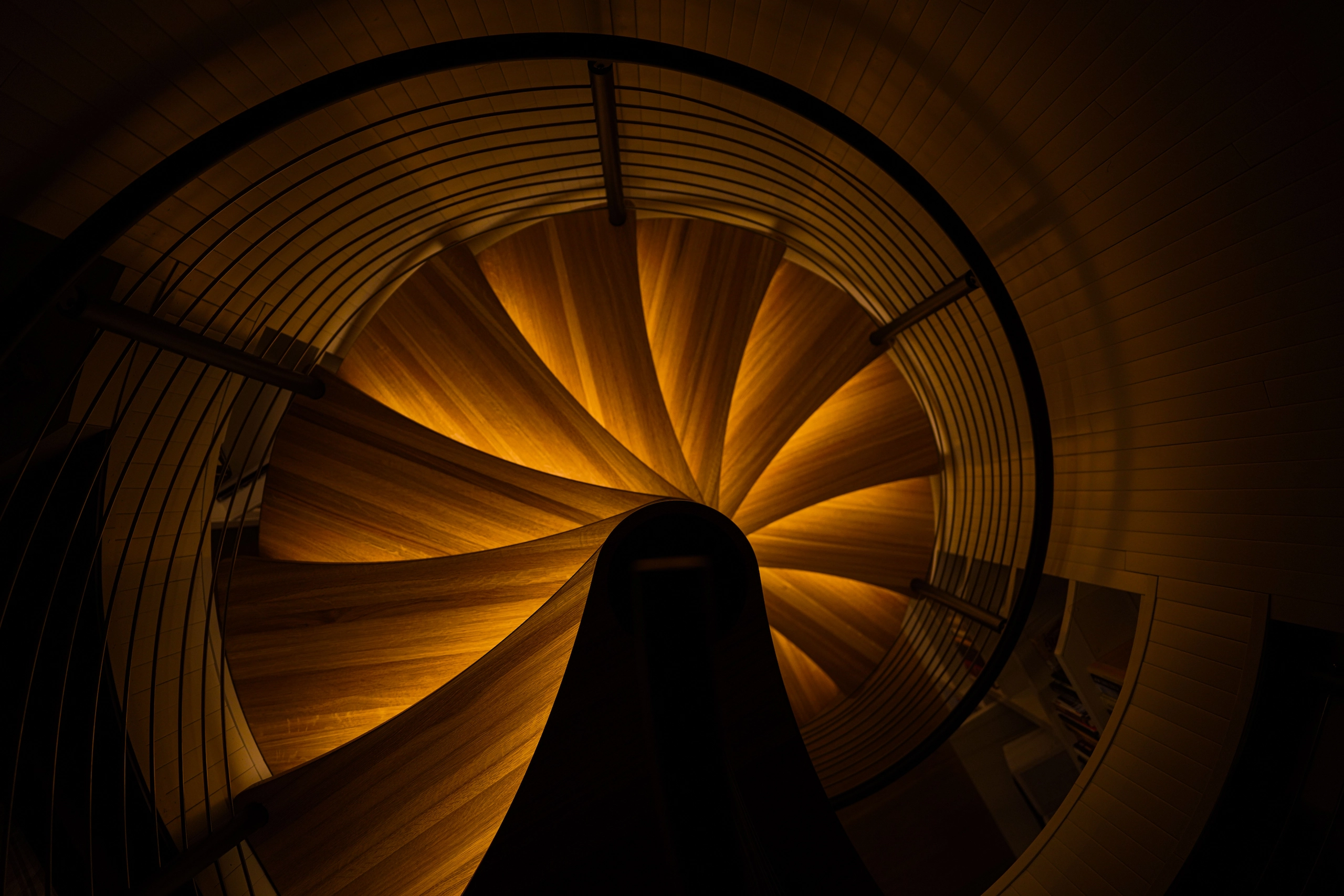
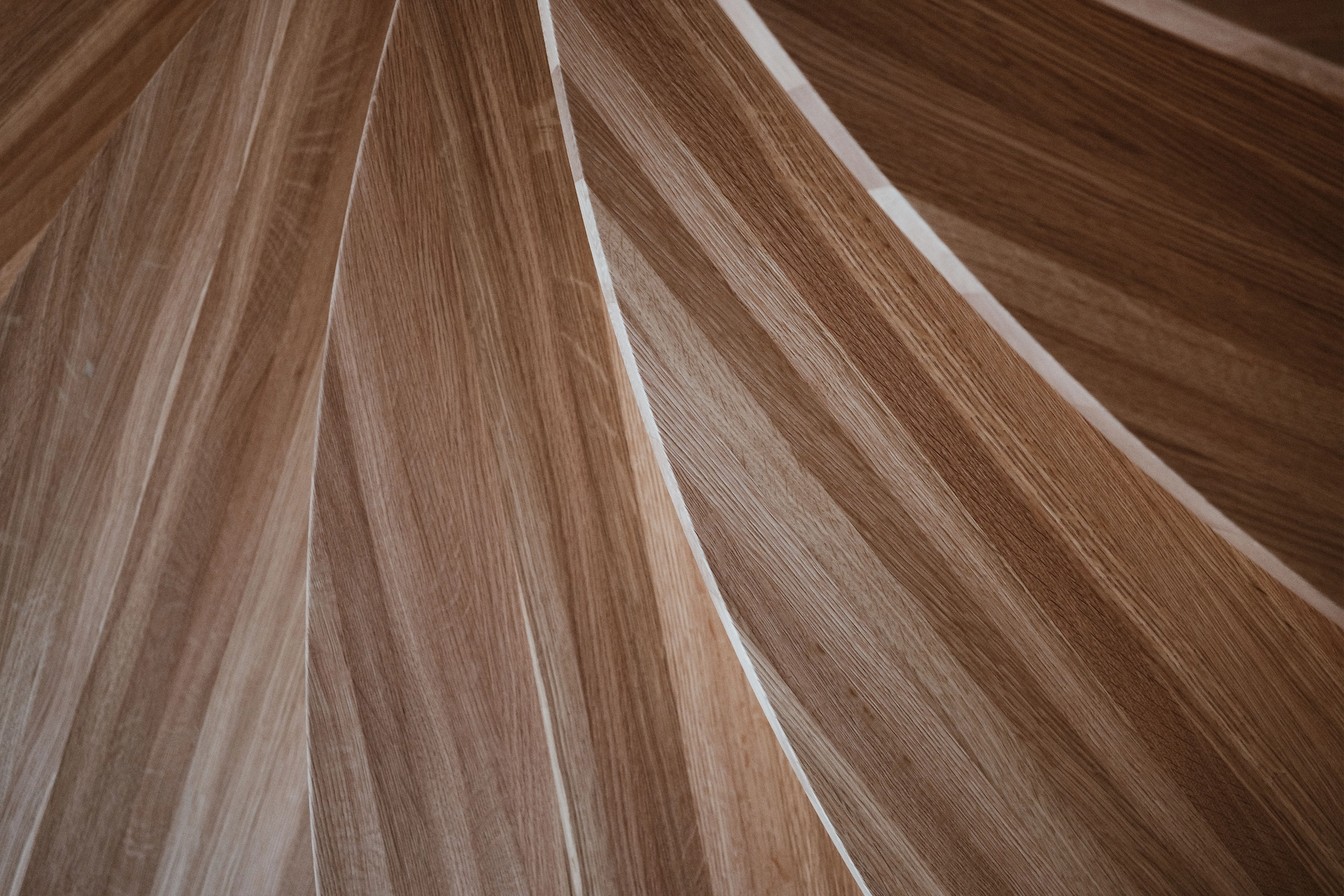
Helical Treads
Helical Treads
Helical Treads
Helical Treads
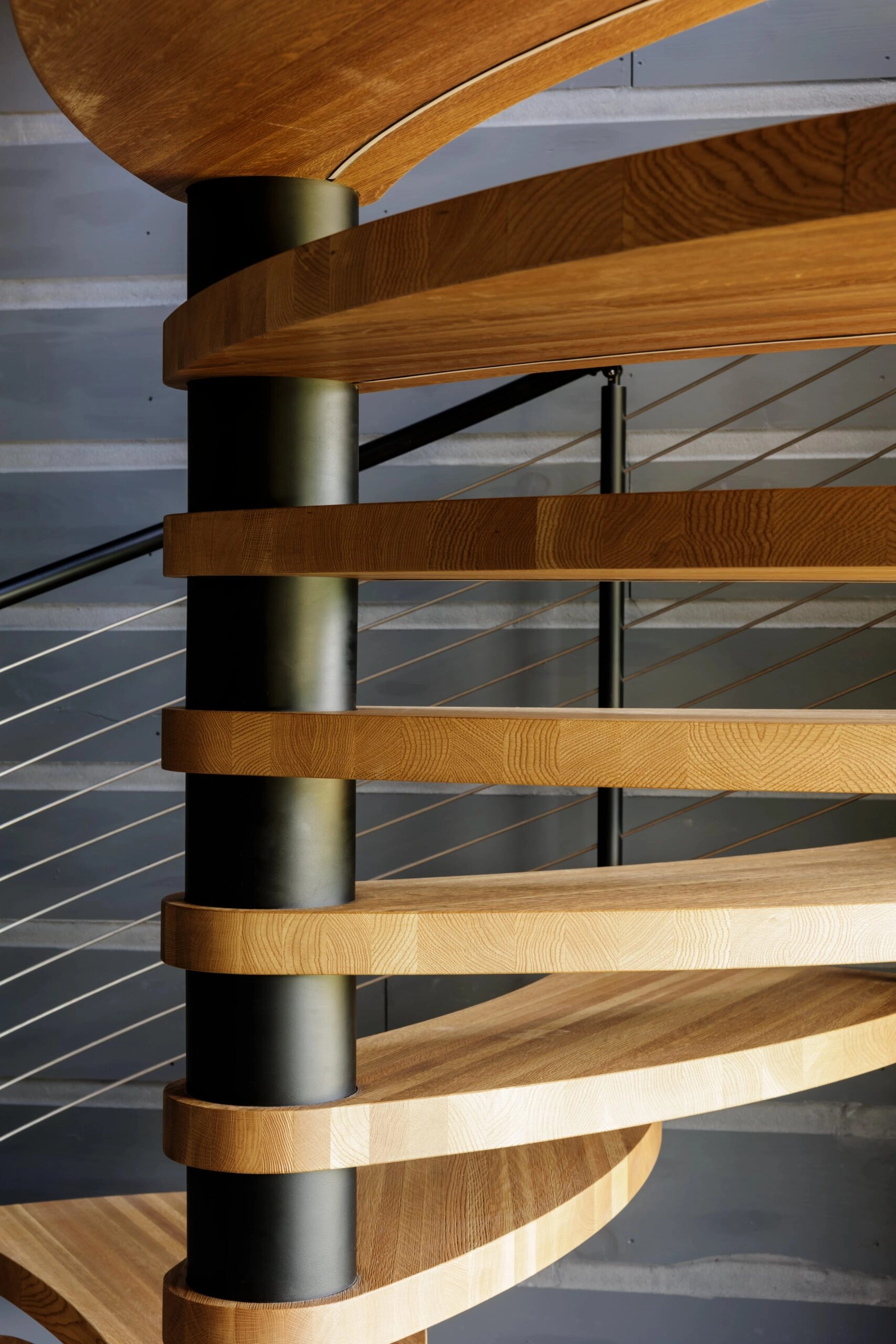
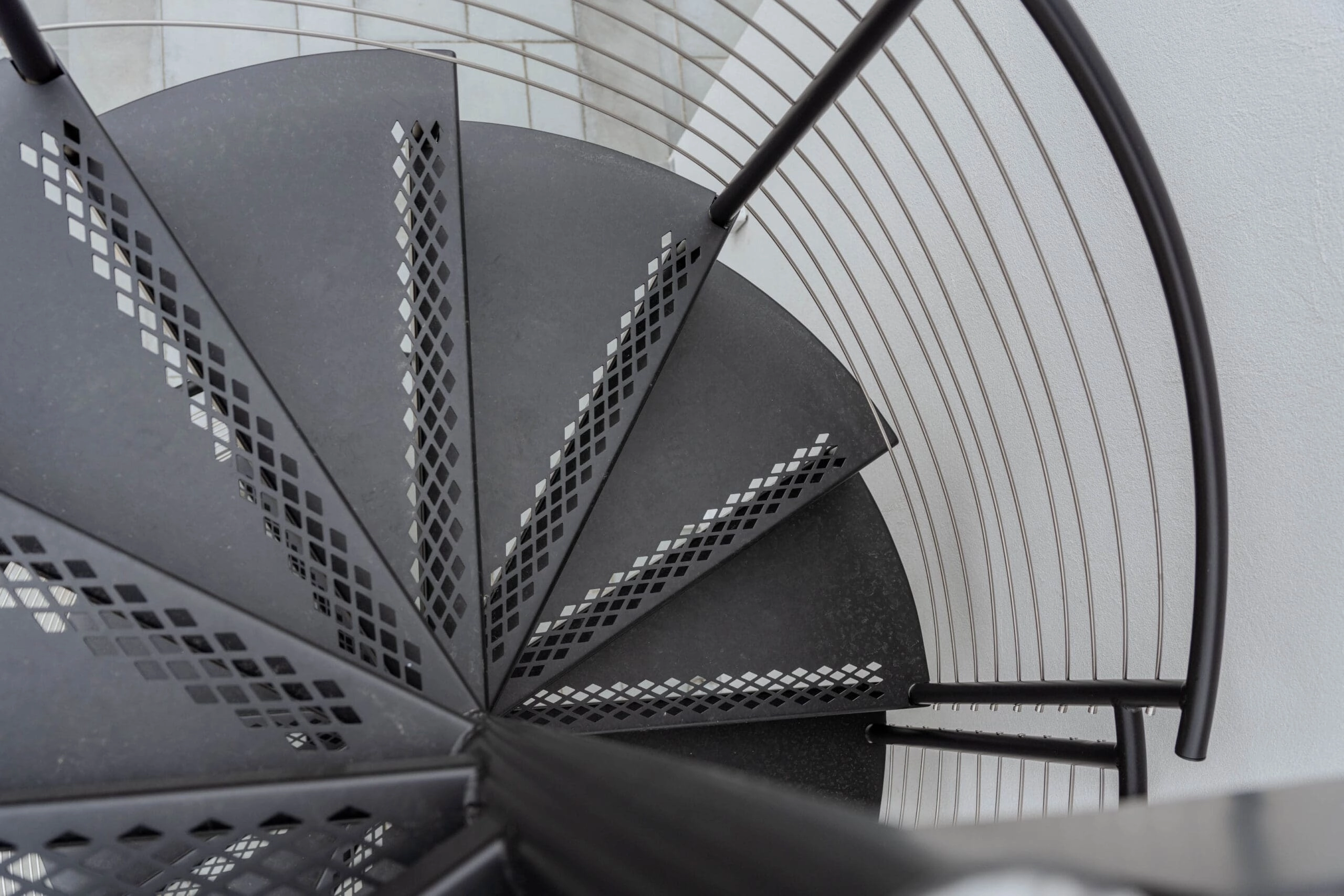
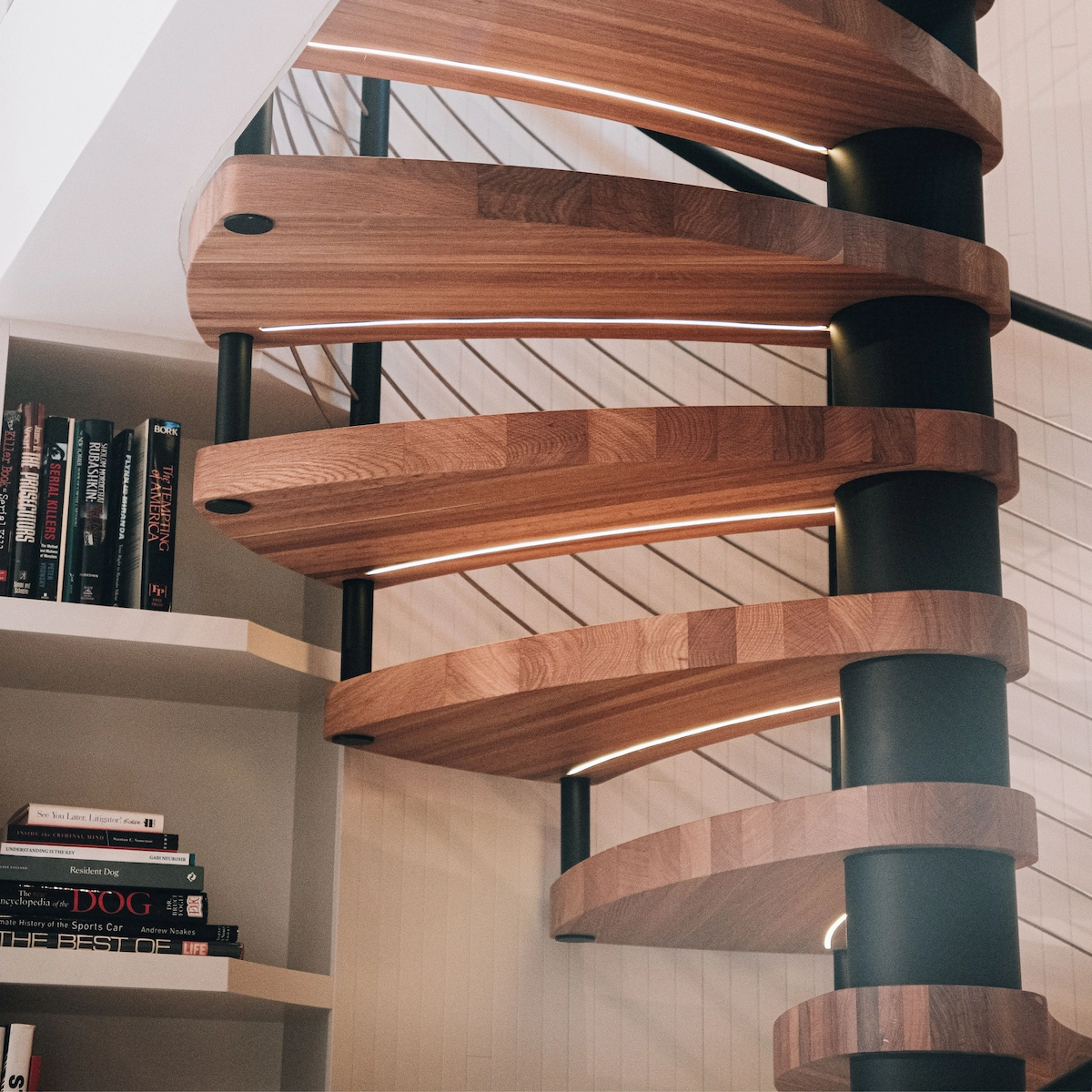
You know a Viewrail tread when you see one. Distinctive and modern, they bring natural wood tones and high-grade finishes that complement any space.
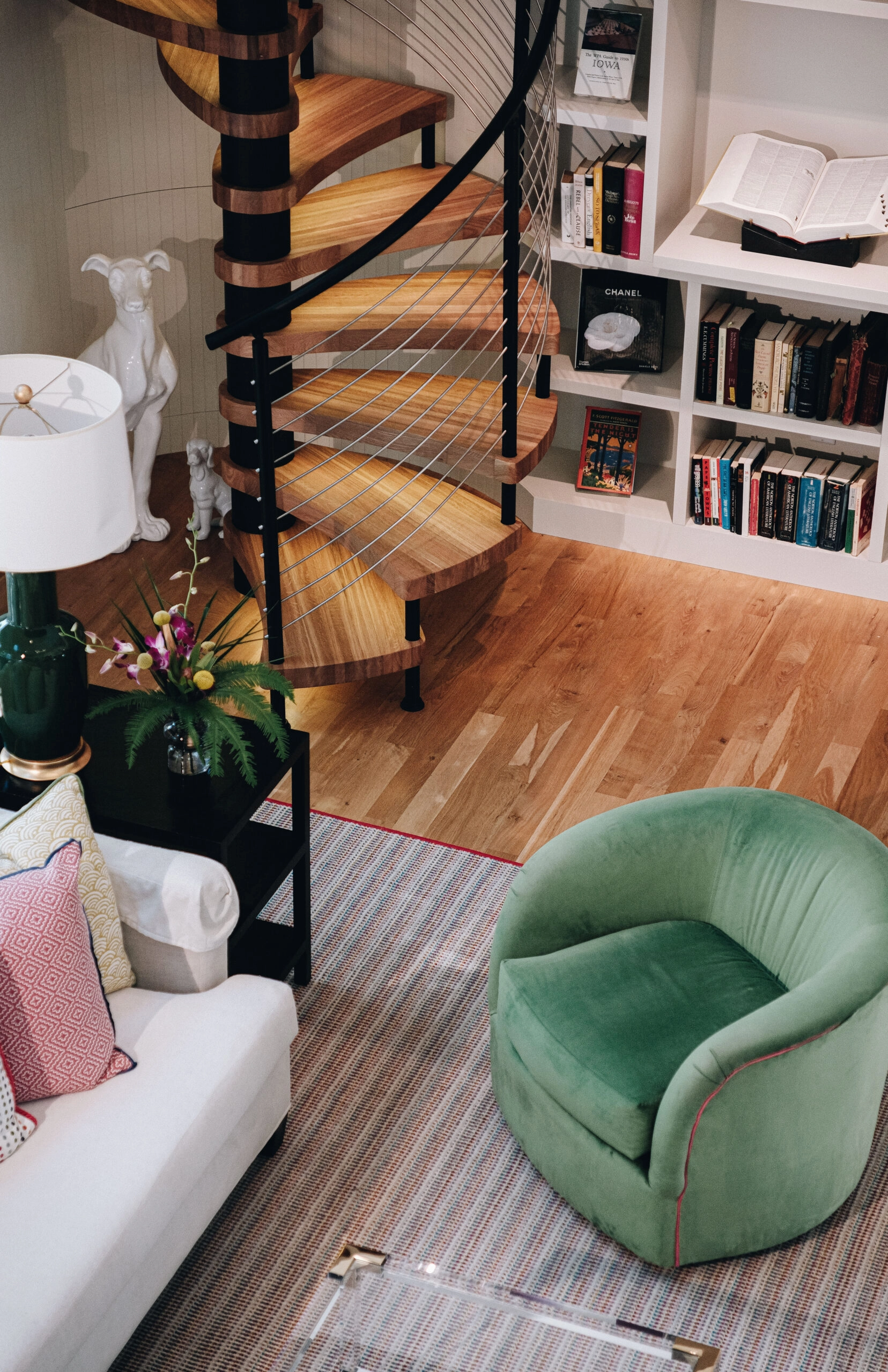
Our Spiral treads deliver that same quality in a unique helical design that’s bound to turn heads. Whether interior or exterior, get treads that show an unmatched attention to detail and elevated design.
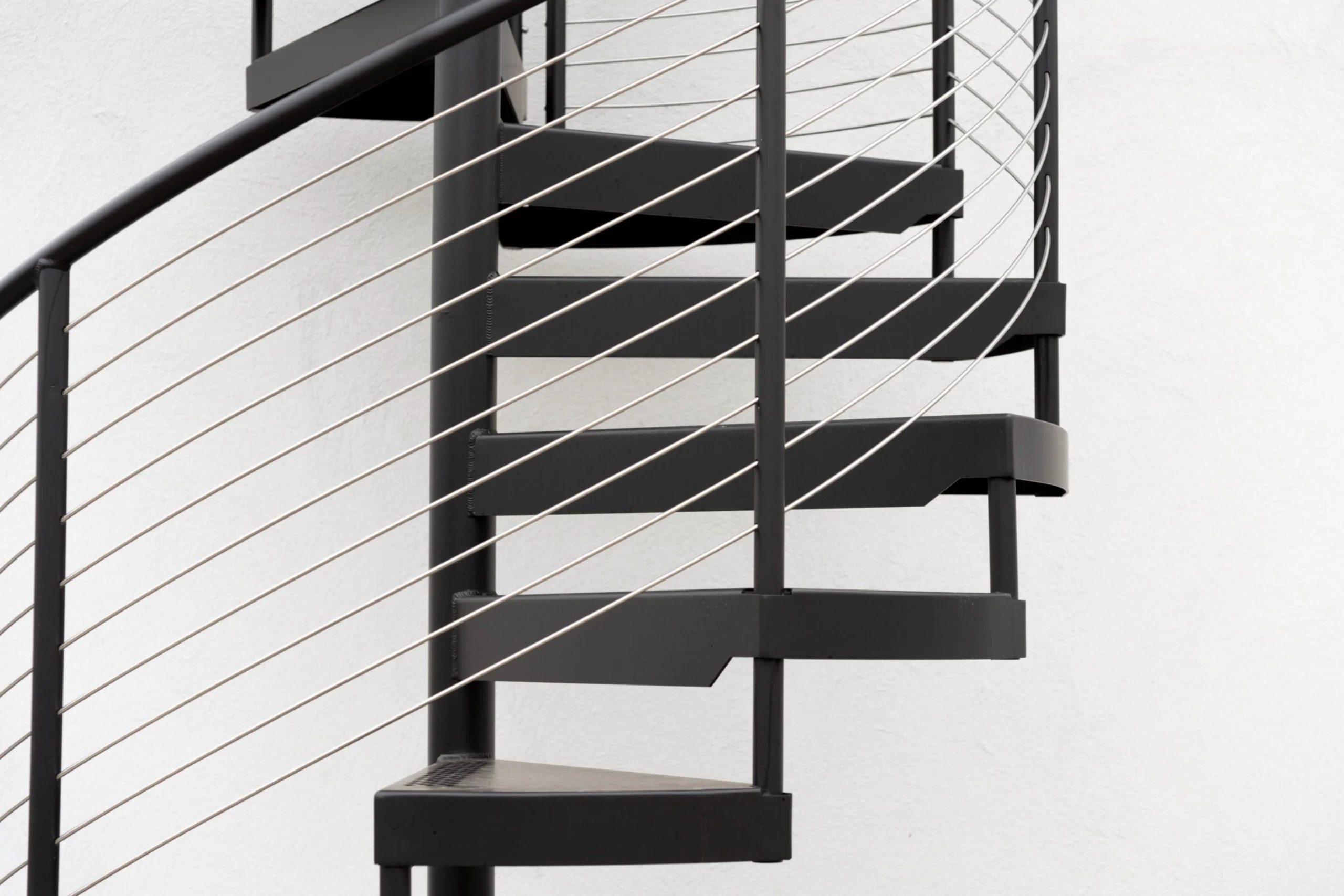
Integrated railing, ready for FLIGHT
Integrated railing, ready for FLIGHT
Integrated railing, ready for FLIGHT
Integrated railing, ready for FLIGHT
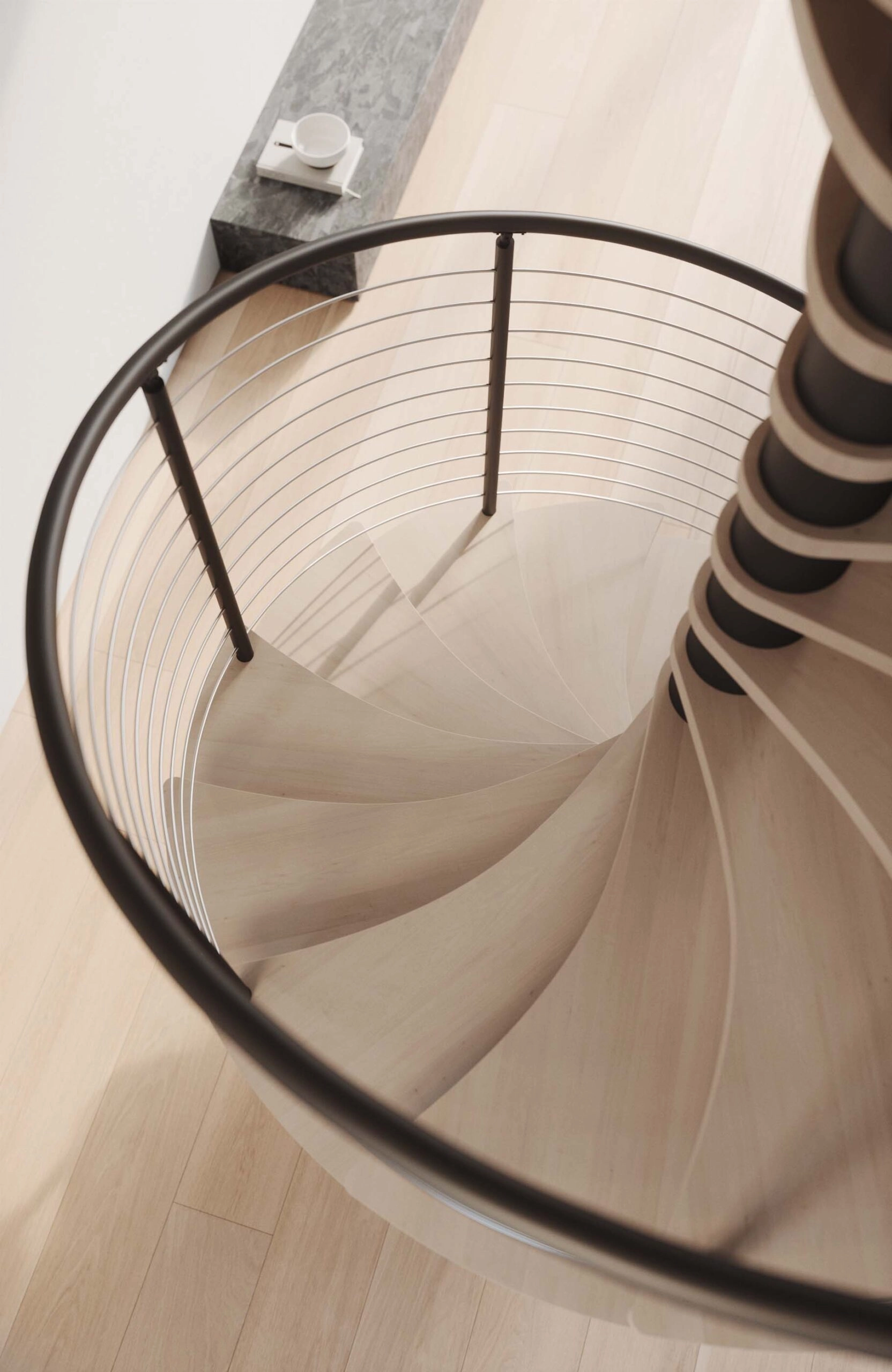
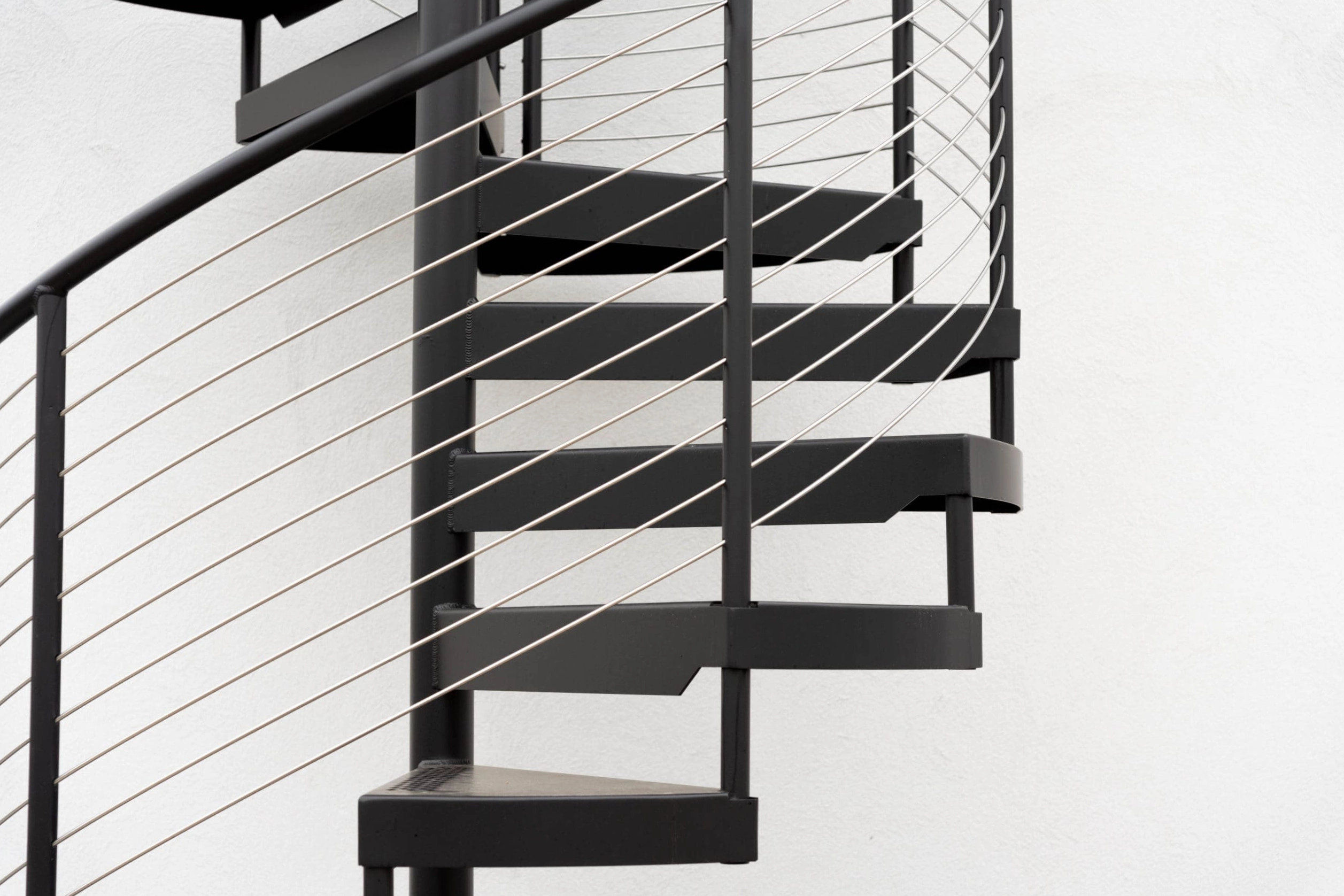
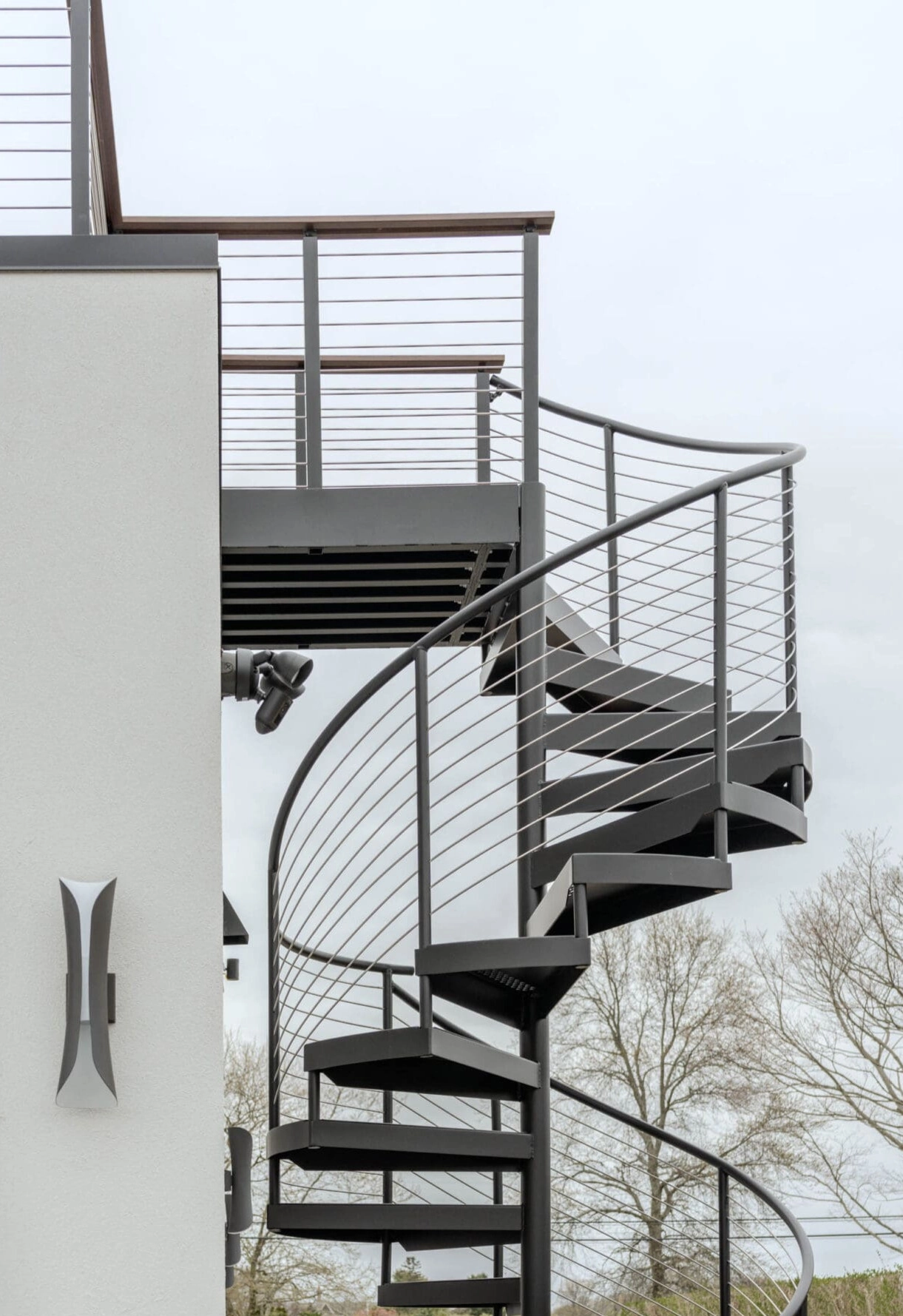
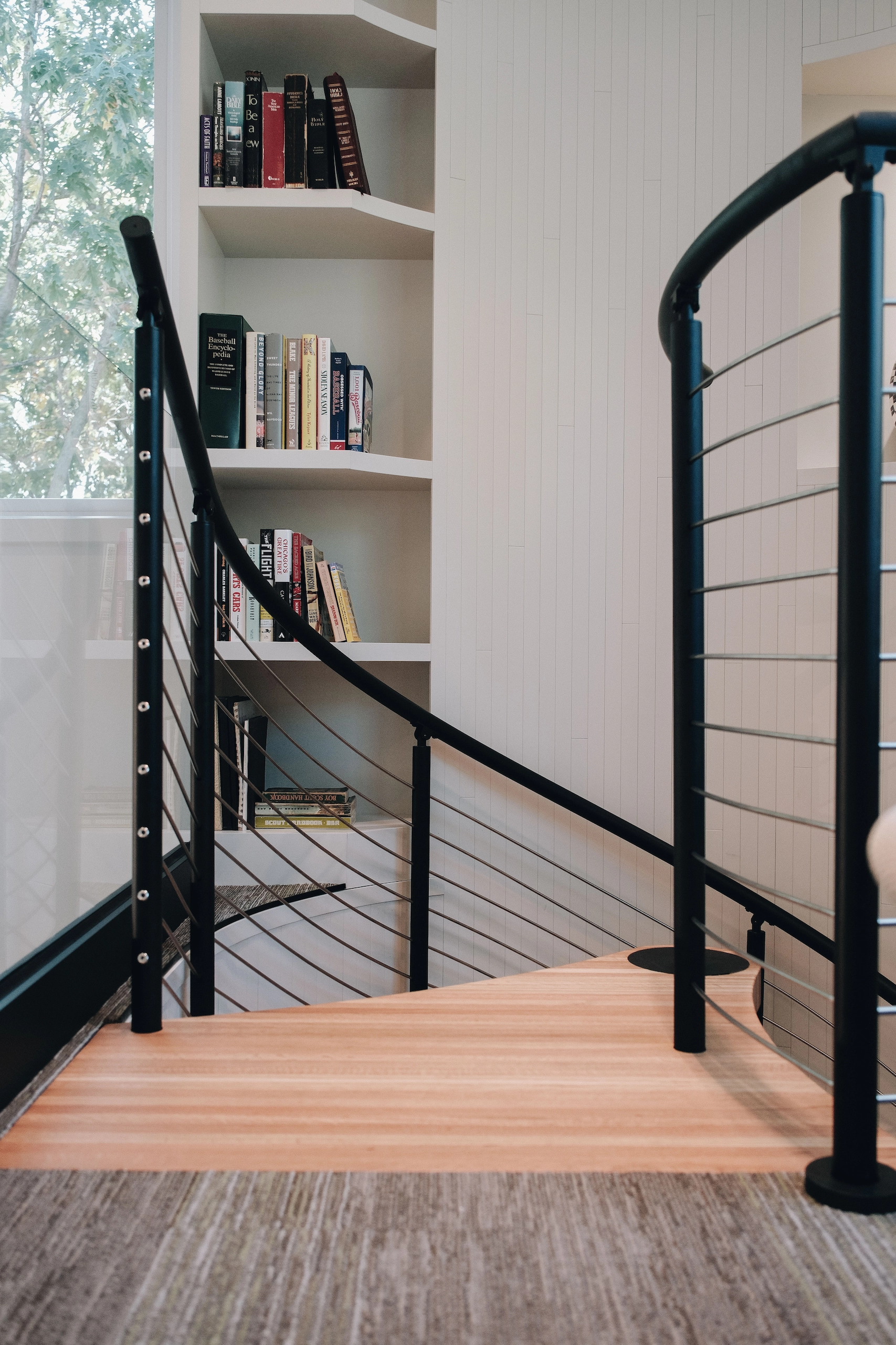
Fit with rod railing that follows the curve of the stairs and keeps hardware hidden. Our rod railing is built to last, whether gracing a modern Midwest living room or standing up to the ocean air in the Hamptons.
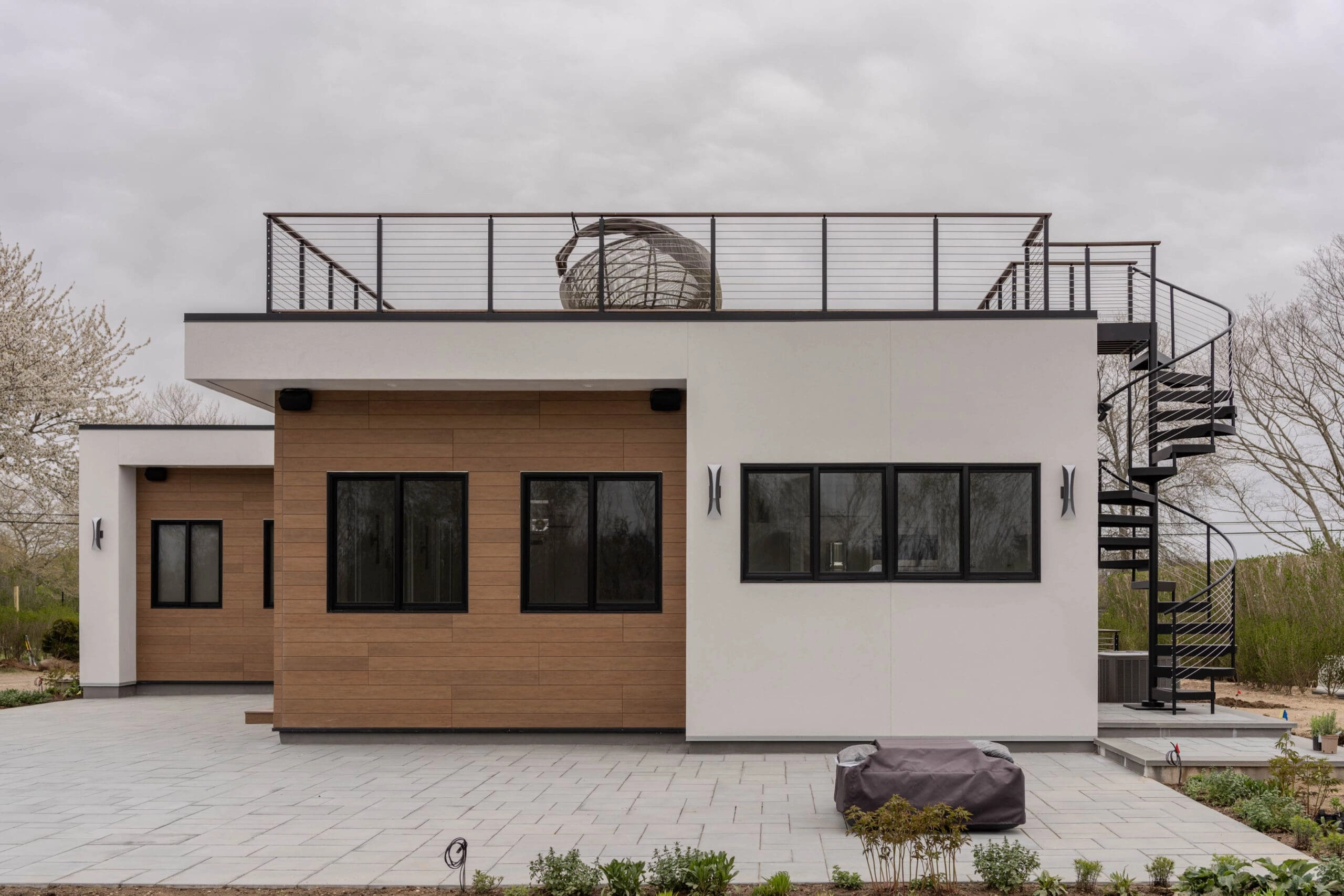

Viewrail Certified Installation
Viewrail Certified Installation
Viewrail Certified Installation
Viewrail Certified Installation
The easiest installation? Have an expert do it.
Our nationwide network of local, Certified Installers go through extensive on-site training to become stair and railing installation experts. Forget lifting a finger. Get fast, safe, hassle-free installation, with an enhanced warranty coverage to back our certification.


Frequently Asked Questions
Are spiral stairs comfortable for everyday use?
Yes. Spiral uses helical treads on a rigid engineered frame, which gives a wide and predictable walking surface rather than the narrow wedge treads of older spiral kits. It was designed to do more than solve a tight footprint, and it's meant to look and feel like a considered part of the house. Codes have specific requirements for spiral stairs around tread dimensions, headroom and egress, so we confirm those early in design.
Are floating stairs safe for kids and pets?
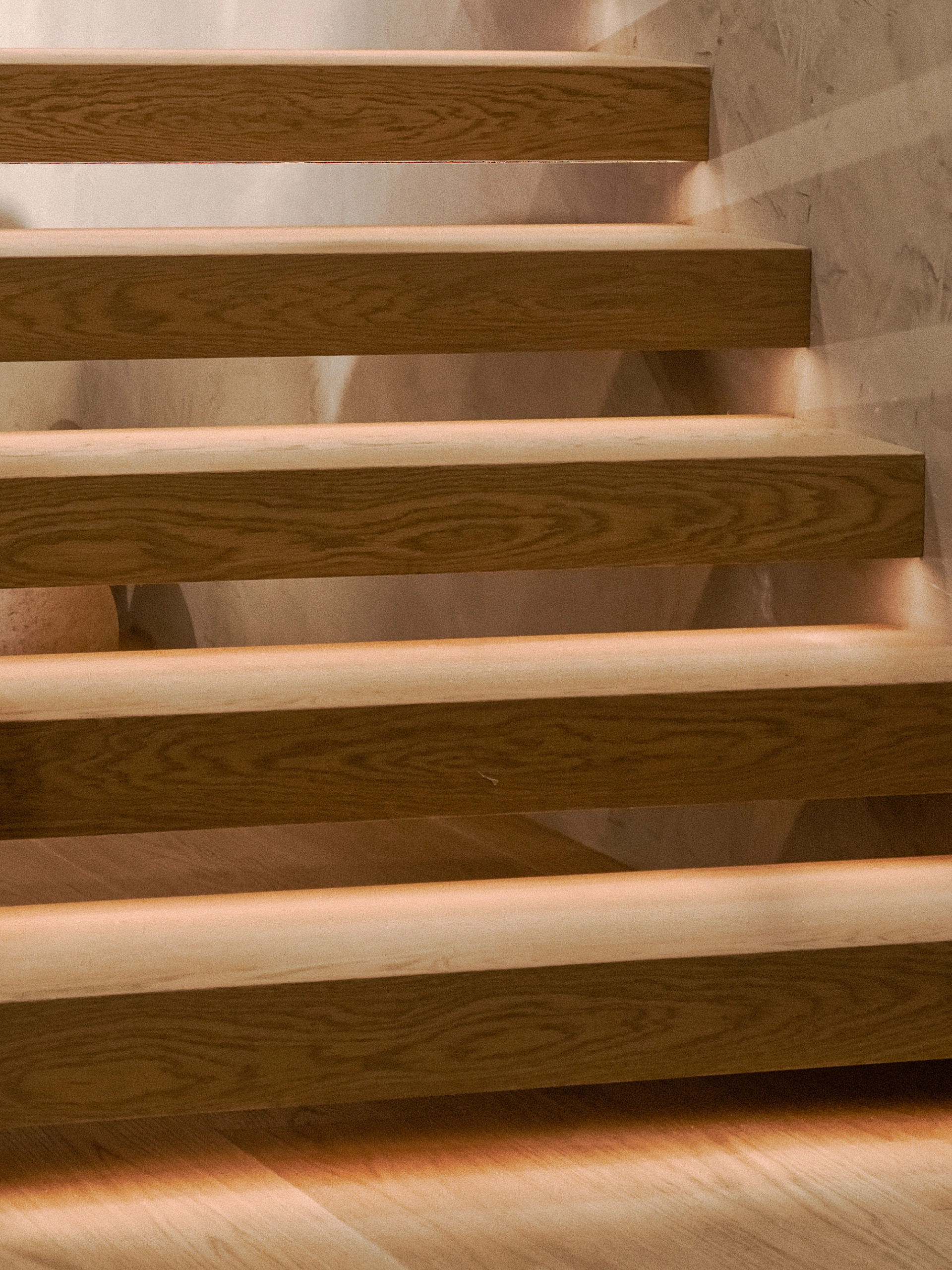
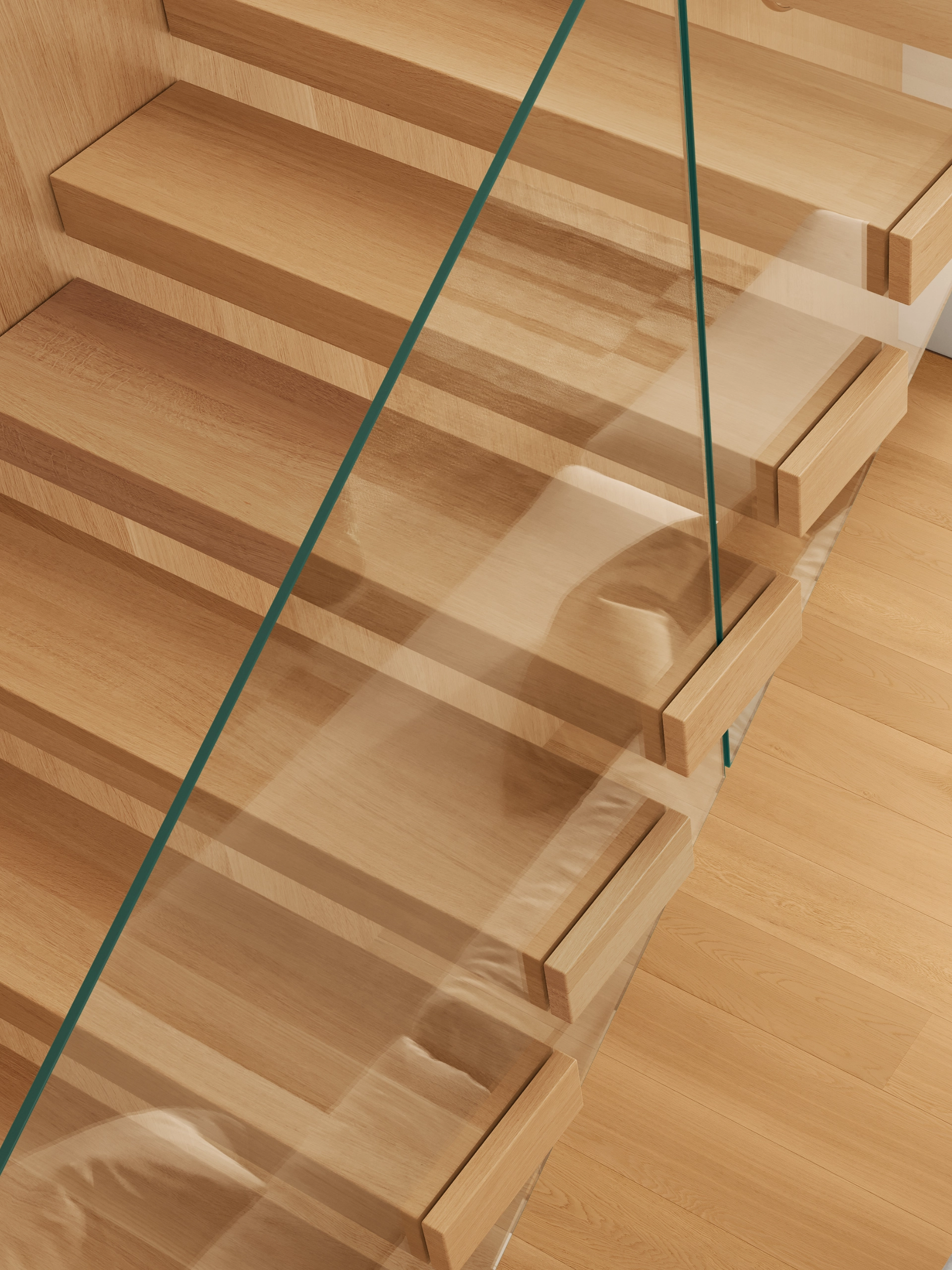
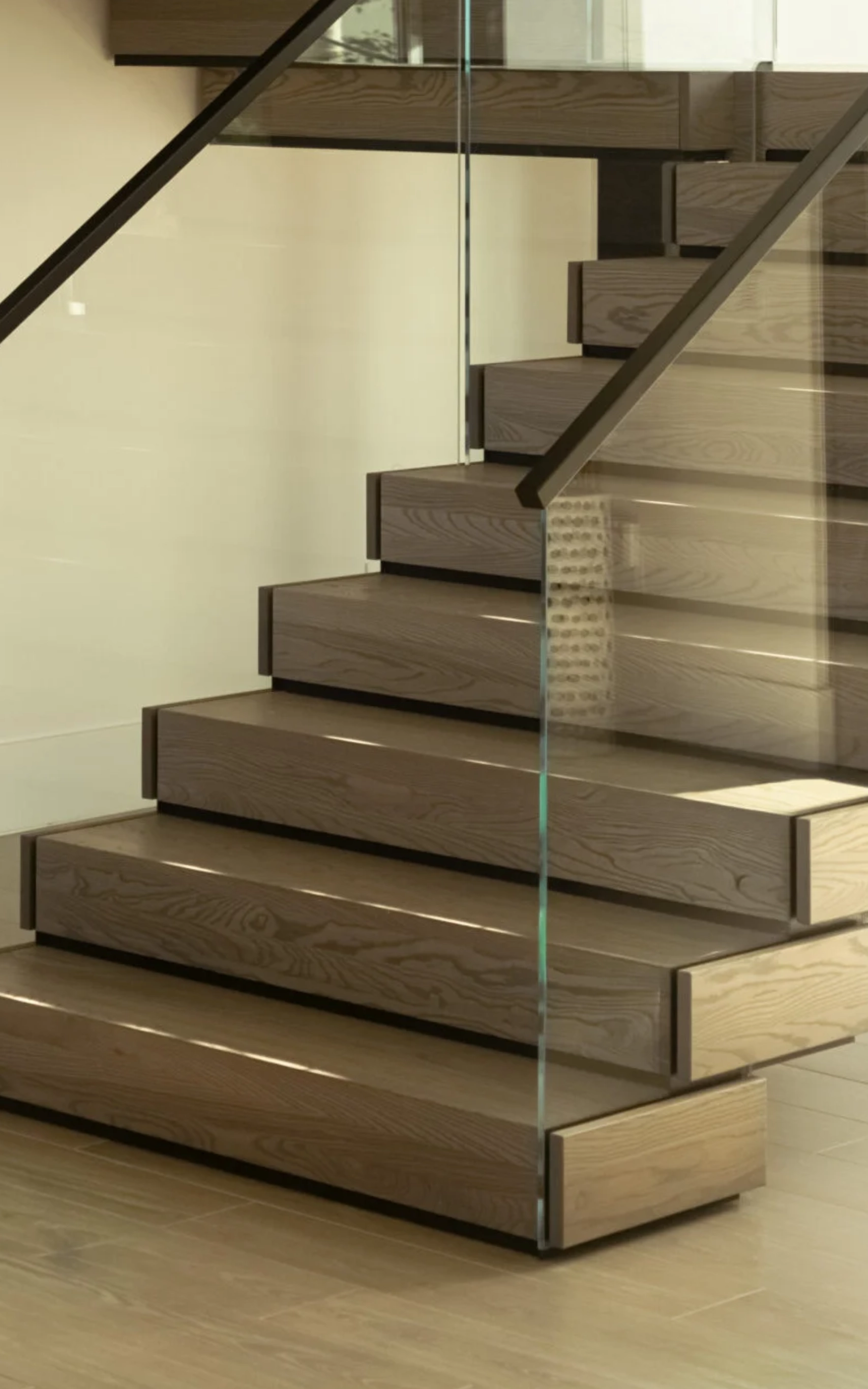
Yes. Riser openings are sized so a four-inch sphere can't pass, and you can add glass, closed risers, grip strips or LED lighting for extra visibility and peace of mind.
What is ICC certification for floating stairs?
It's third-party verification that a system complies with code. FLIGHT Mono holds an ICC Evaluation Service Report, ESR-4797, which gives permit reviewers and inspectors an independent reference rather than taking our word for it.
Are open risers allowed by code?
Yes, as long as the opening won't let a four-inch sphere through. If you'd rather have no gap at all, FLIGHT Stack uses a closed riser, and glass risers are an option on the open-riser systems.
Do Viewrail systems meet building code?
Our systems are engineered to meet or exceed the guard and handrail requirements that apply to your project, and several carry ICC Evaluation Service Reports (ESRs). Final authority always rests with your local building official, so tell us which code your jurisdiction has adopted and we'll design to it and share the engineering data with your submittal.
Do you provide drawings for permits and inspections?
Yes. We supply coordinated shop drawings for your project, and your rep can include calculation packages and state-specific documentation when your local building department requires them.
What should I include on drawings?
The more you can send up front, the faster design moves. Most useful is a typical plan set, with your markups on it if you have them. Beyond that:
- Project address and the code edition your jurisdiction has adopted
- Where guards are needed and at what heights
- Substrate at mounting locations, plus any blocking already planned
- Layout targets, corners and terminations
- Finish selections for anything visible
If all you have is an idea, a few photos and some measurements are enough to start.
How much space does FLIGHT Spiral need?
Less than you'd think. Diameters start at 5 feet 5 inches, which fits where a straight or switchback flight never could. Your design team sizes the diameter and rotation to keep the walking line comfortable while meeting code.
Can FLIGHT Spiral be my main staircase?
In many homes, yes. Spiral can be engineered and permitted as a primary stair where local code allows for width, headroom, landings and egress. In other layouts it works as a second connection to a loft, library or roof deck. We'll design to how you intend to use it.
What stair configurations are available?
FLIGHT Mono, Stack and Cantilever all come in straight, 90 degree, switchback and U-turn layouts. Spiral comes in one configuration, sized to your space. We'll help you choose based on layout, span and the look you're after.
Which railing works best with floating stairs?
All three pair well and it comes down to the look you want. Glass keeps the space bright and the sightlines open. Cable is the most cost-effective. Rod needs re-tensioning far less often than cable and follows a curve cleanly, which makes it the natural fit for Spiral.
Can floating stairs be installed outdoors?
Yes. Exterior builds use stainless steel rod, thermally modified wood treads, and Superior Performance powder coat. Within five miles of saltwater we specify 2205 stainless hardware alongside that coating.
Does the railing come with the system?
It's a separate line item on your quote, but it isn't a separate decision. Stair and railing are designed to work together and engineered as one assembly, so mounting, finish and geometry all resolve before anything is made. That means you can pair any of our glass, cable or rod systems with your FLIGHT and price them independently, without the two being coordinated on site.
Which stair shape fits a U-shaped stairwell?
FLIGHT Stack suits U-shaped layouts particularly well. The closed-riser design gives all three runs a unified appearance that holds together visually across both landings.
What's the difference between a curved stair and a spiral?
A spiral rotates around a central point and completes a full turn or more from bottom to top. A curved stair sweeps through an arc without landings or sharp turns, bending gradually from one direction to another without ever completing a rotation. Curved stairs suit entryways and foyers where the staircase anchors the room. Worth reaching out early if you're considering one.
Which handrail profile should I choose?
It comes down to grip requirements and the look you're after. The 6004 has two finger slots and suits commercial projects or any stair needing a dedicated graspable profile. The 6000 Mission and the 6200 are clean rectangular profiles, and the 6084 has a wide top with an inward finger recess. Across profiles, the 2205 stainless options are the ones rated for coastal locations.
What's the difference between a handrail and a top cap?
A handrail is the graspable element you hold going up and down stairs. A top cap, also called a cap rail, ties the panels together so the guard stays put even if one breaks. In many designs the top of the guard doubles as the handrail, as long as it meets handrail usability rules.
How much do floating stairs cost?
Most projects land between $15,000 and $77,000. A straight nine-foot Mono often starts in the teens, while turns, landings, wider treads, glass railing and lighting move it up from there.
What factors drive the cost most?
System type more than anything: a Stack prices differently than a Mono. After that it's layout, so turns and landings matter most, then tread width, wood species and finish, which railing you choose, lighting, and whether the stair is exterior or coastal.
What's included in a Viewrail quote?
Design, engineering, the system hardware, your finish selections, and any recommended handrail or brackets. We'll also note substrate requirements and share the install guides. Everything comes from one place rather than being pieced together from separate suppliers.
How do I get a quote?
Send us what you have, even if that's just photos and rough dimensions. We'll come back within one business day to walk through next steps and work out what else we need.
How do I measure my floor-to-floor height?
Measure subfloor to subfloor, from the top of the upper subfloor where the header will mount straight down to the top of the lower subfloor. A laser distance meter makes this easy and accurate. Every floating stair design starts from this one number, so it's worth taking twice.
Do you offer a design consultation?
Yes. The simplest way to start is to request a quote with whatever you have, even just photos and rough dimensions. From there you work with a dedicated team to develop the design and custom engineer it for your space.
Will floating stairs squeak or wobble?
Properly installed, no. FLIGHT systems use bolted connections and engineered stringers to keep deflection and noise down, so the stair stays rigid and quiet underfoot.
How do you ship and deliver?
Orders ship in protective crates with components labeled to match your drawings, which makes staging on site far easier. Your rep will give you a delivery timeline based on your location and scope. Some orders qualify for Viewrail Delivery, where we bring everything on our own trucks with drivers who can confirm your order on arrival and answer questions.
Who installs my system?
Either your own crew or ours. Many general contractors and stair crews install from our documentation. If you'd rather not lift a finger, our nationwide network of Certified Installers have trained on site specifically on Viewrail systems, and choosing one adds a two-year labor and workmanship warranty.
What's the process from quote to install?
Six steps. We scope the project and budget, take site measurements and review them, engineer the system and get your approval on drawings, produce everything in Indiana, deliver, then install and walk the finished work with you. Nothing gets figured out on site.
How long does installation take?
Days rather than weeks for most projects. A straight stair often finishes in one to five days depending on scope and how ready the site is. Railing runs vary with length and complexity. Your installer will confirm a schedule when they measure.
What is the product warranty?
Your FLIGHT stringer carries a 10-year structural warranty. Finish coverage depends on the powder coat: Superior Performance (AAMA 2605) powder coat is specified for exterior and coastal work, and High Performance (AAMA 2604) powder coat is intended for interior and sheltered exterior use. Projects installed by a Viewrail Certified Installer also receive a separate 2-year labor and workmanship warranty.
How is the finish warrantied?
Coverage follows the powder coat, except Onyx Cable, which carries its own black oxide finish warranty. Superior Performance (AAMA 2605) powder coat is our exterior and coastal grade. High Performance (AAMA 2604) powder coat is intended for interior and sheltered exterior work. Structural coverage is separate and varies by product, so check the full warranty for your system.
What finish holds up best in my region?
Powder-coated aluminum performs well in most climates, coastal included, as long as the coating is right. Within five miles of saltwater, specify Superior Performance (AAMA 2605) powder coat, with 2205 stainless for the infill and exposed hardware. High Performance (AAMA 2604) is the right choice for interior and sheltered exterior work, but it is not coastal-rated.
Read Why 2205 Stainless Steel Is the Gold Standard for Coastal Railing
%20(1).webp)
.webp)
.webp)