.webp)
.webp)
.webp)

.webp)

.webp)



Get to Know Cable Railing
Get to Know Cable Railing
Get to Know Cable Railing
Get to Know Cable Railing
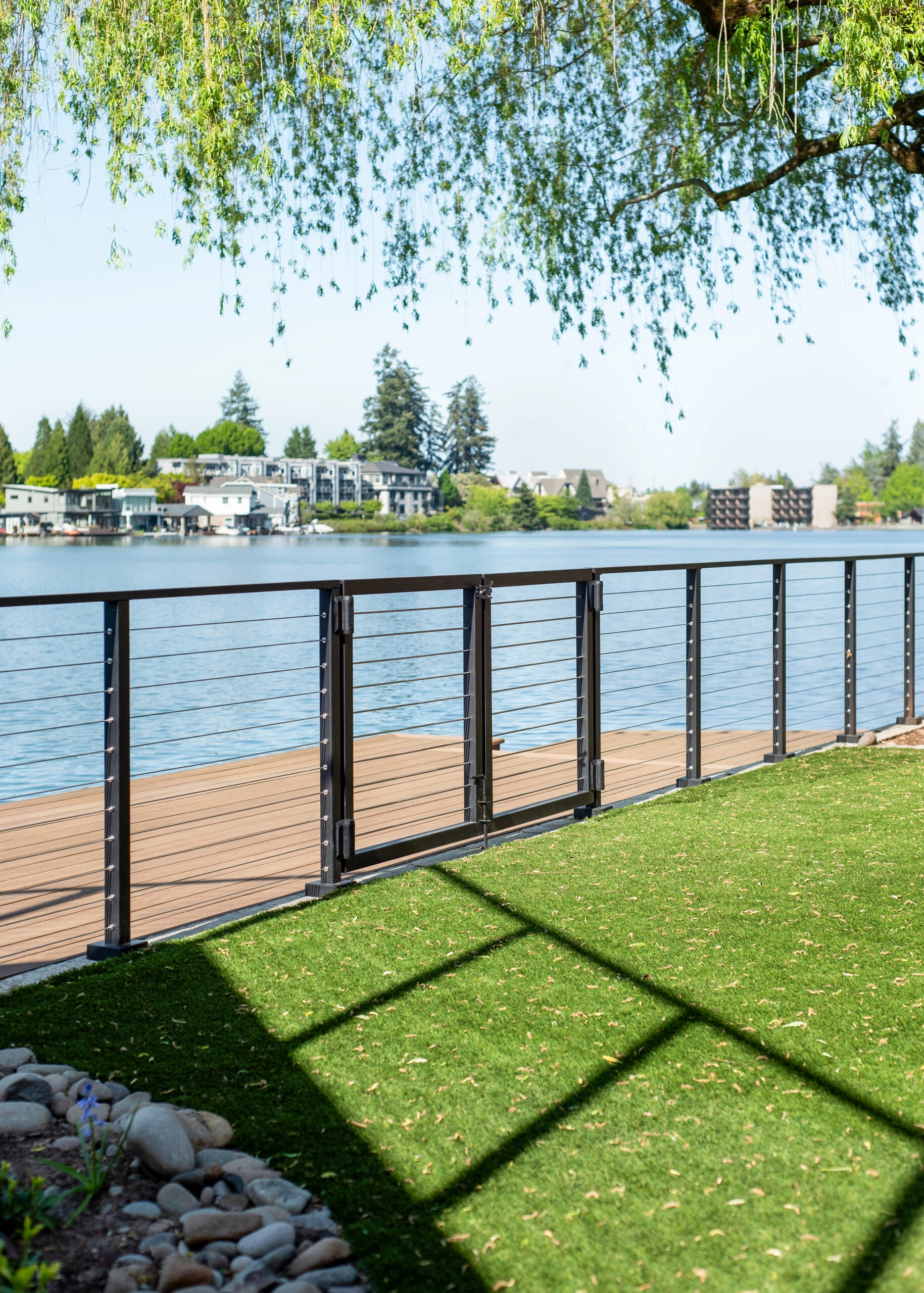
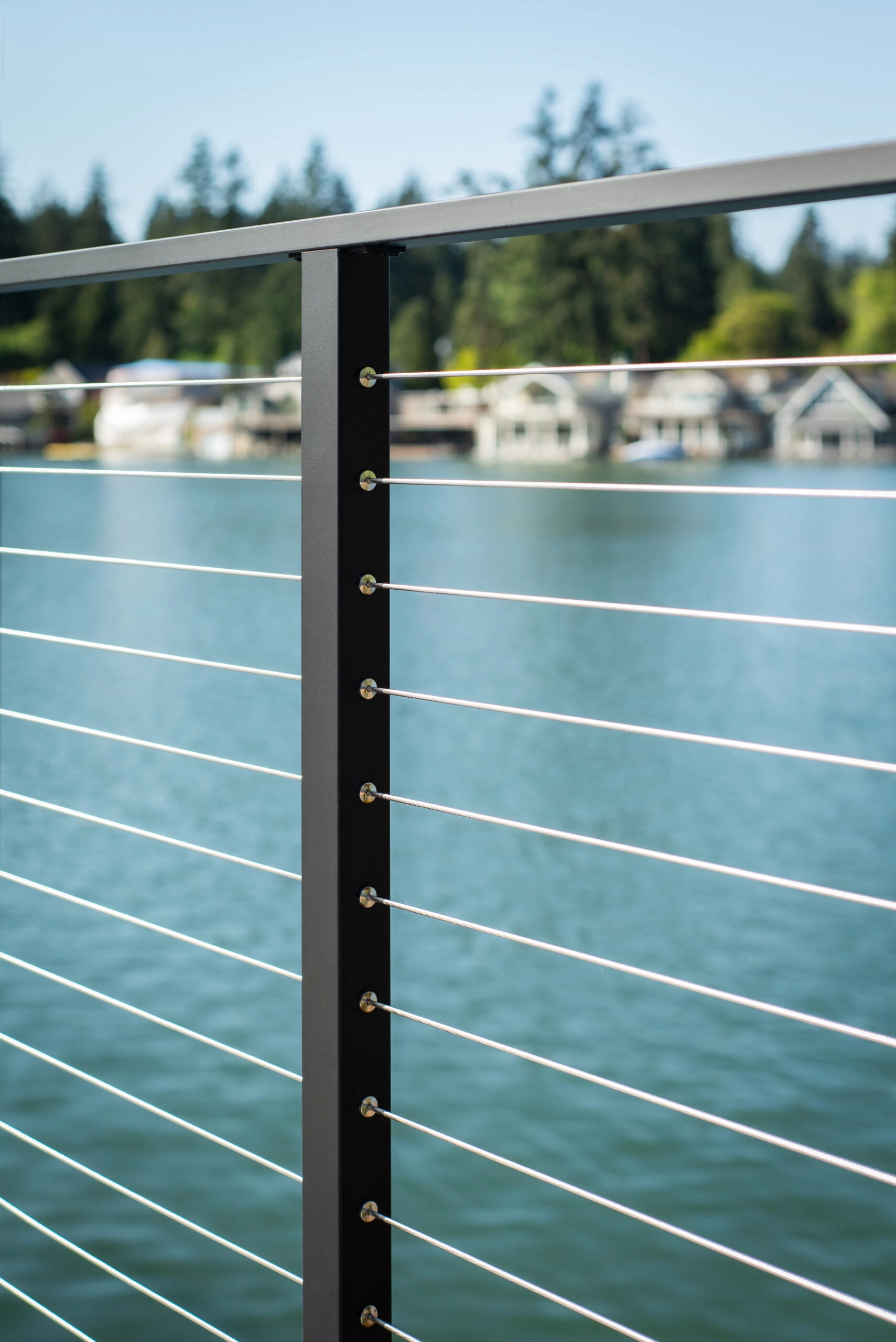
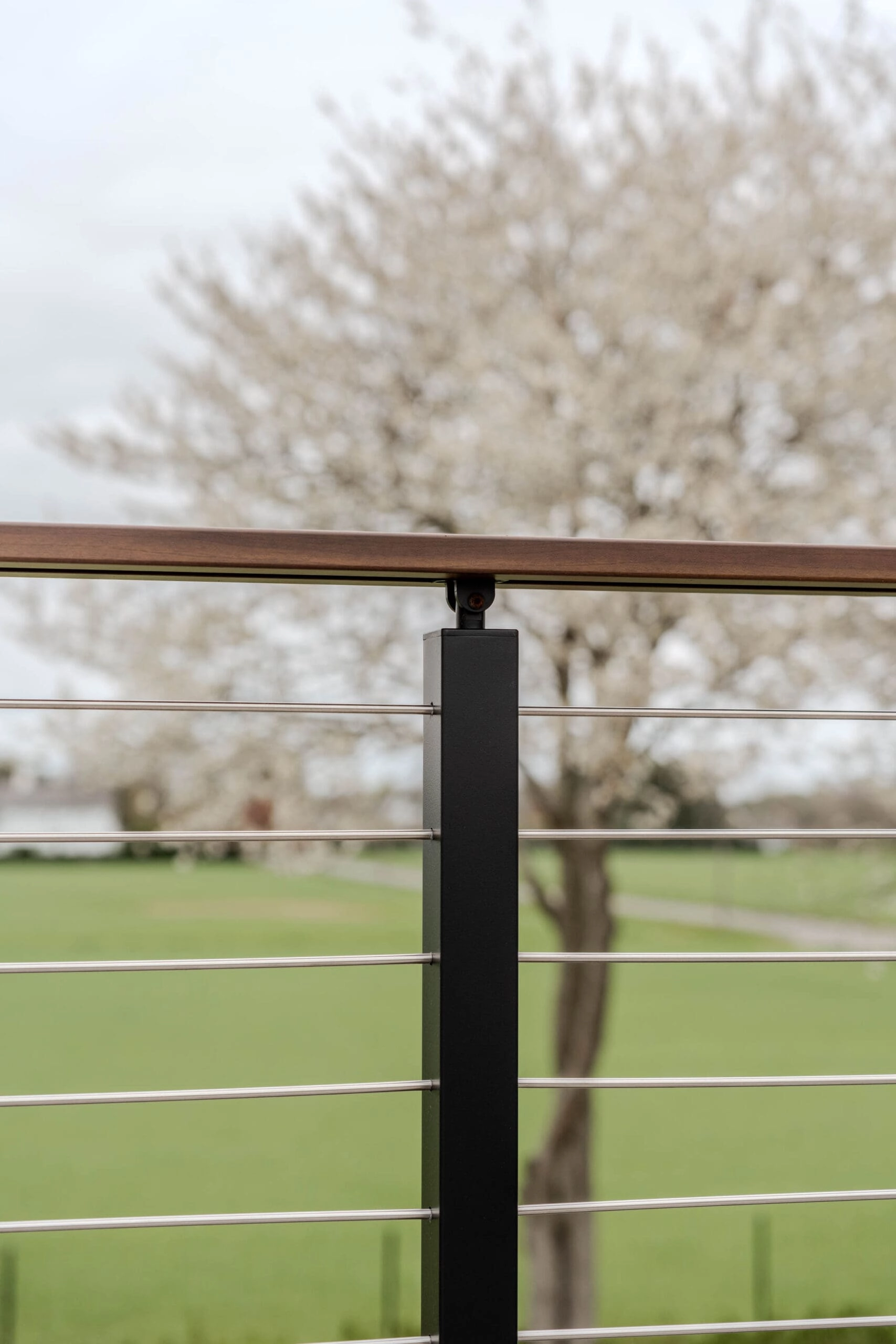
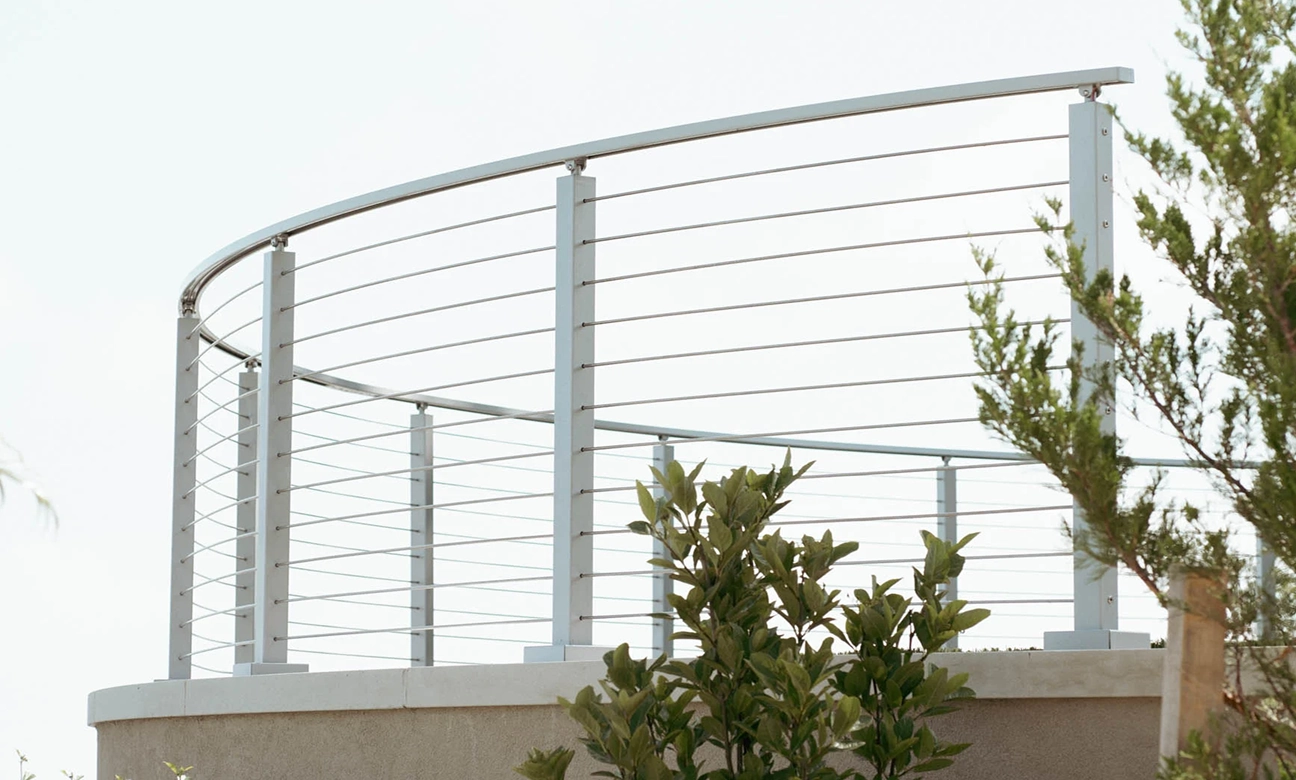
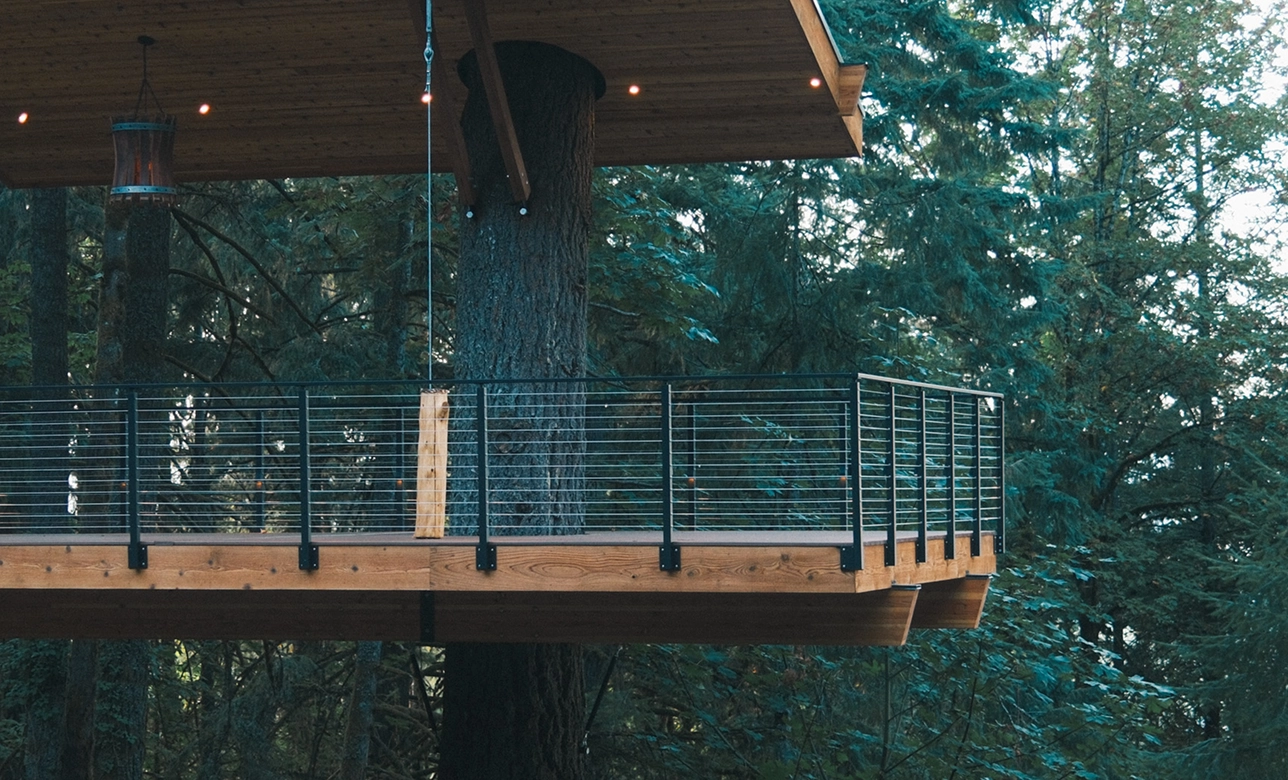
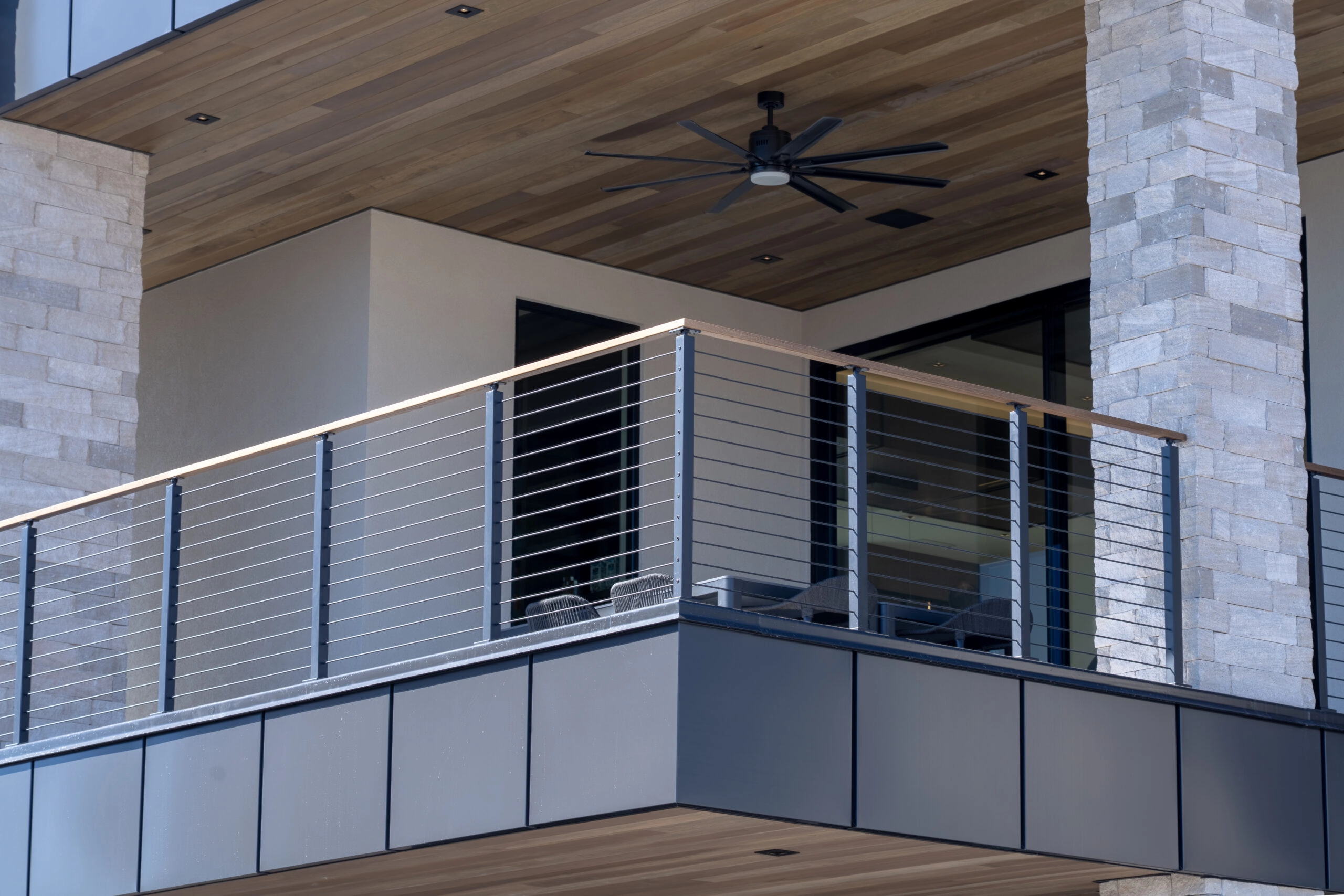
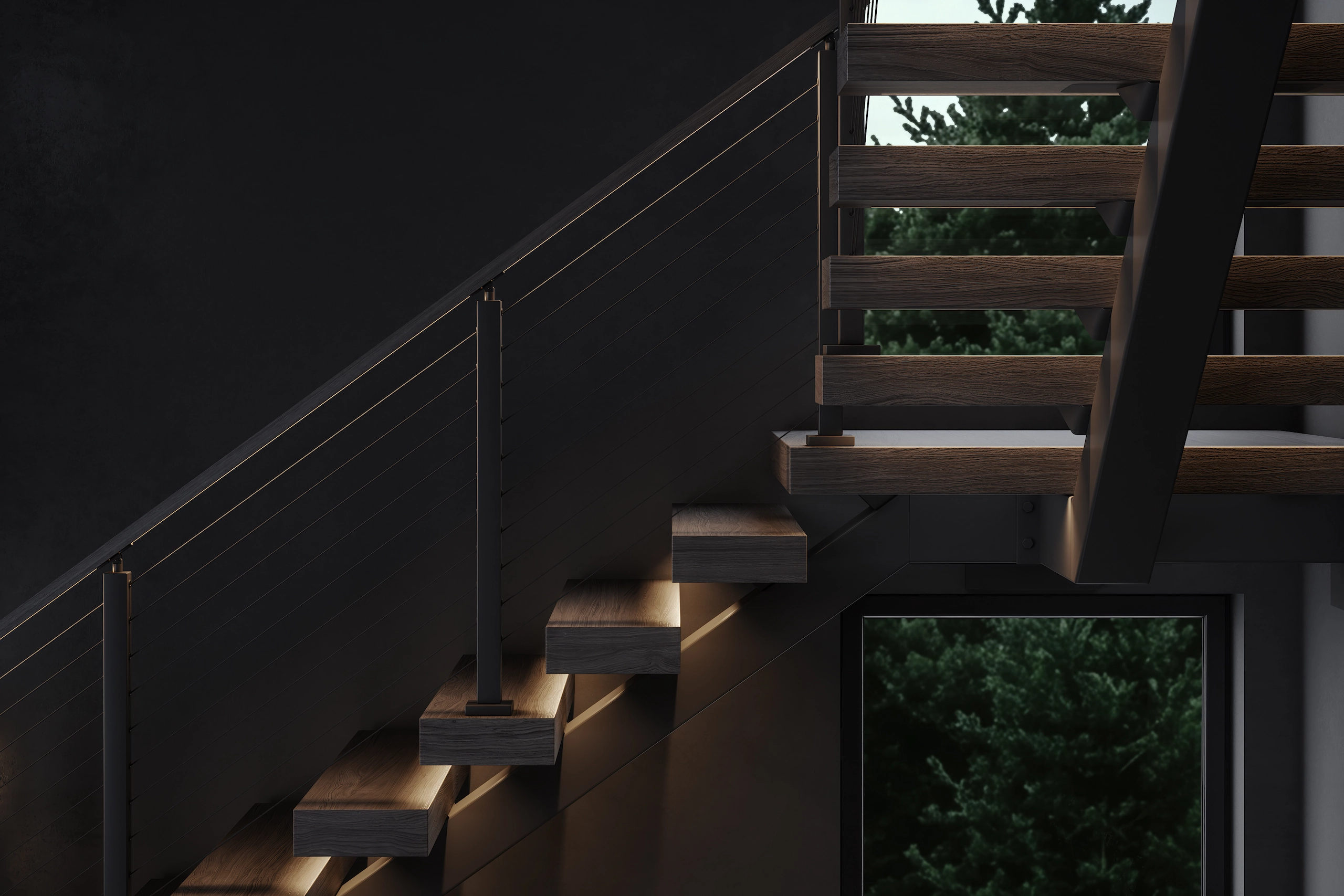
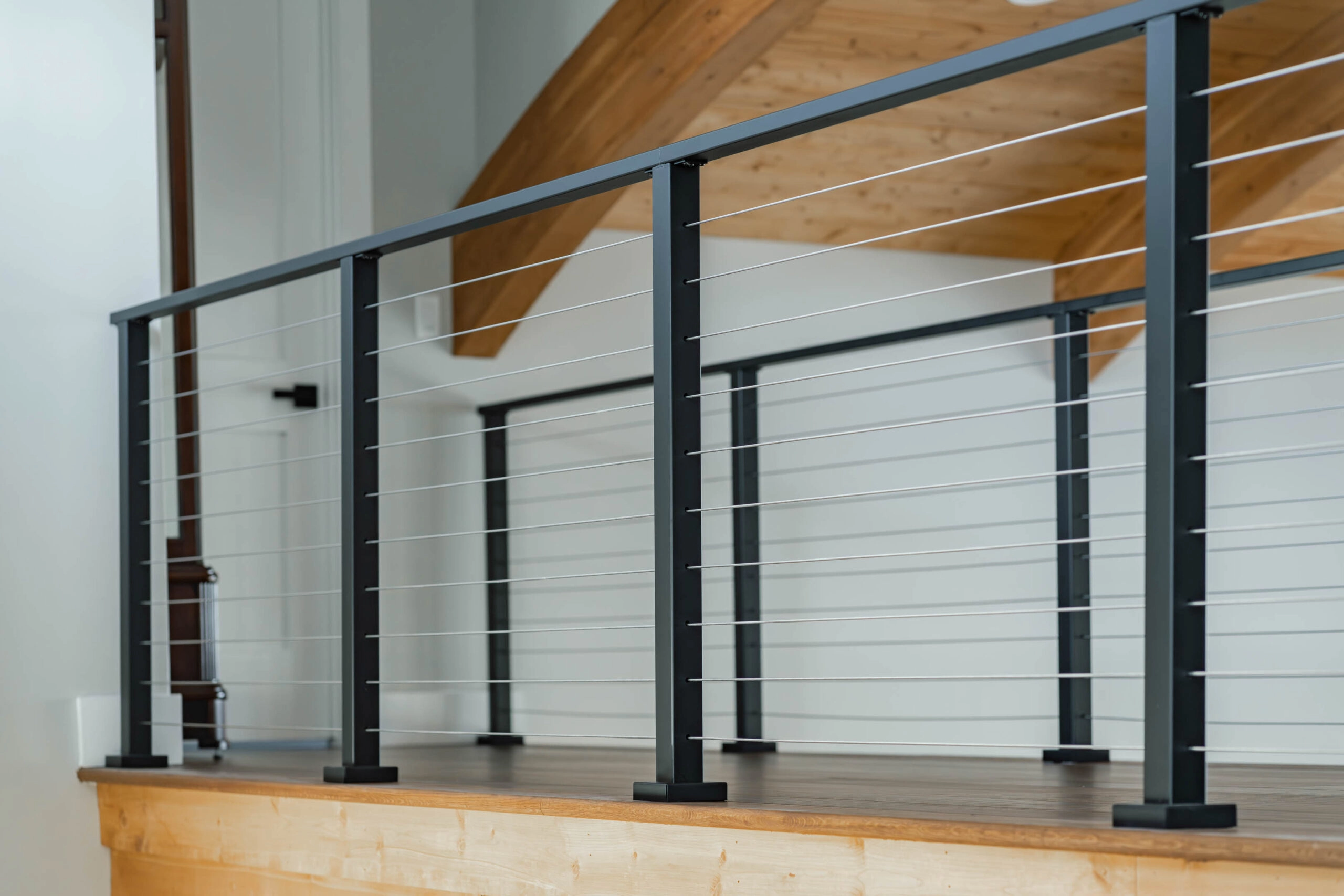
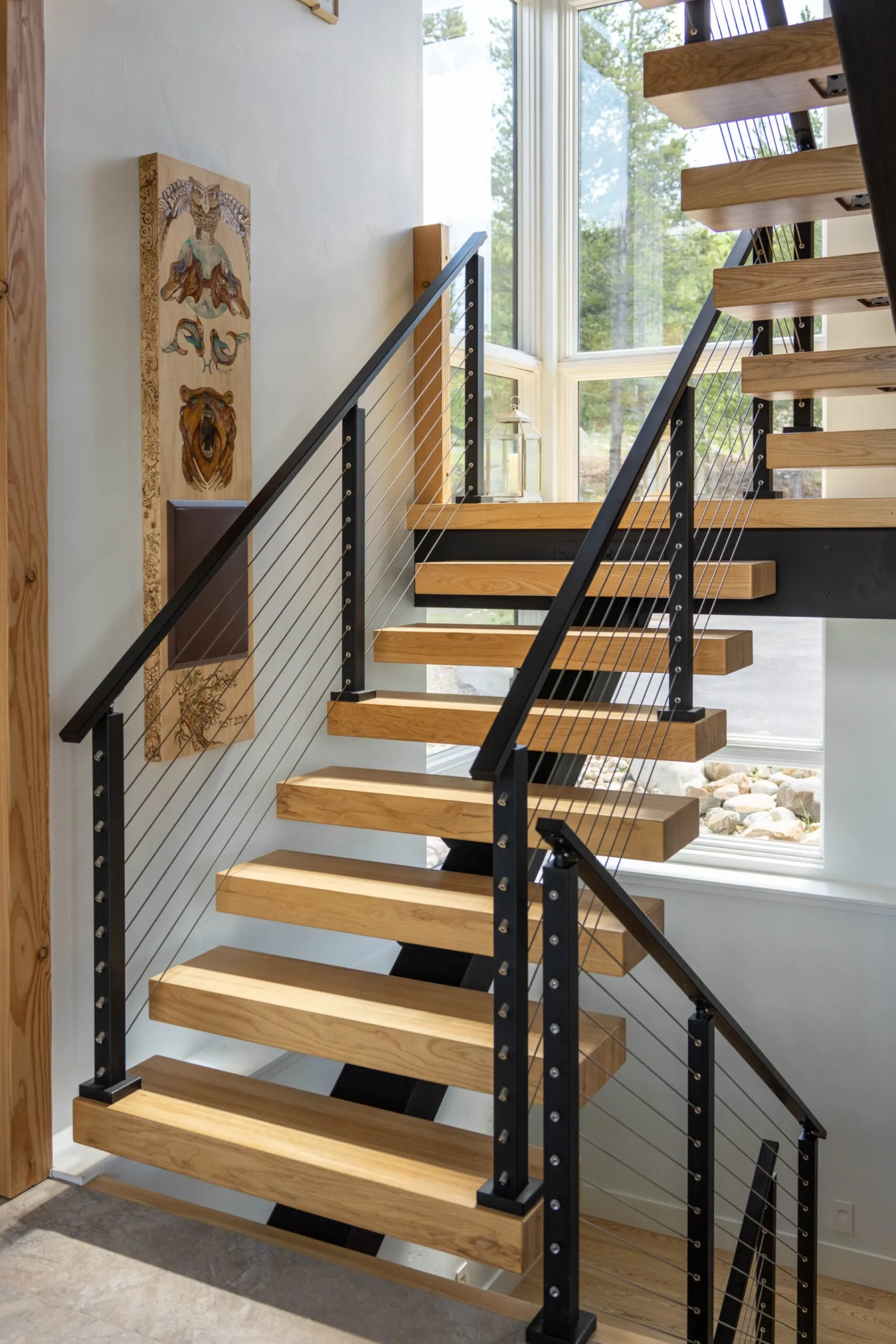
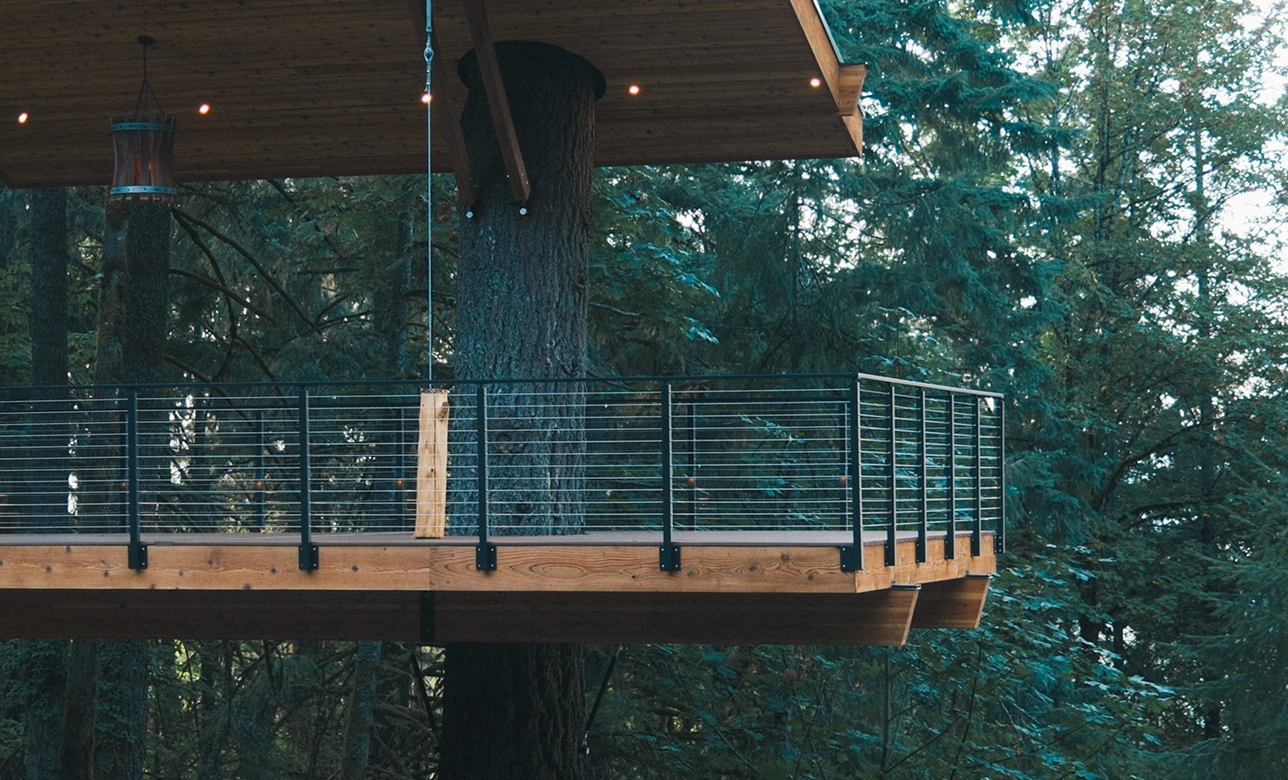
Viewrail cable railing is engineered to disappear into the view, not compete with it. Nearly every component of every system is manufactured in our facilities in Goshen, Indiana. Customize your materials, finishes, and mounting styles with Signature, or get a DIY-ready Express system delivered to your door in a matter of days.
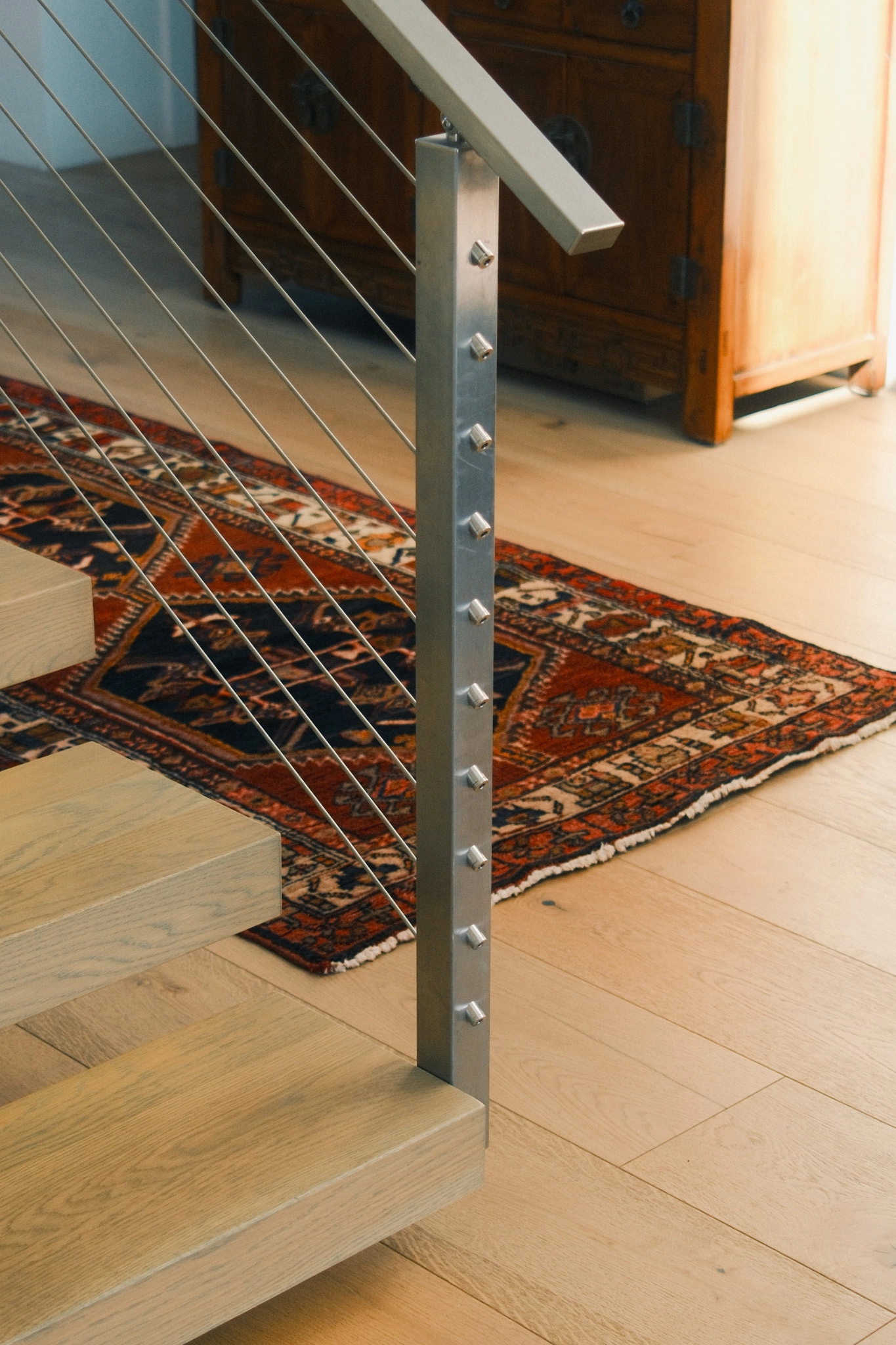
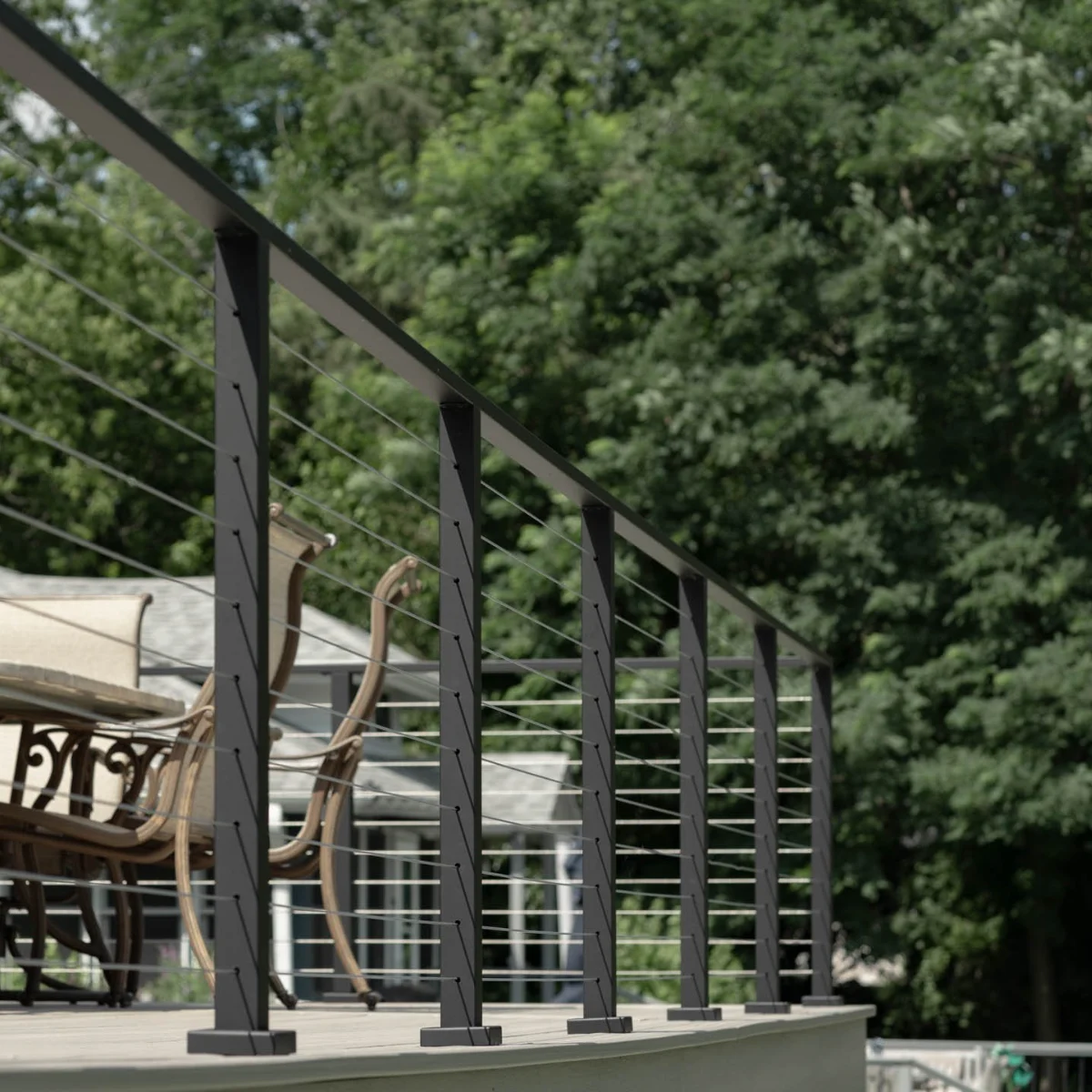
Express
For a high-quality cable railing that’s easy to install yourself, with multiple color and layout options, choose Express. Choose your railing online, get it shipped in a matter of days, then install yourself with easy-to-follow instructions. Upgrading your railing really is that easy.
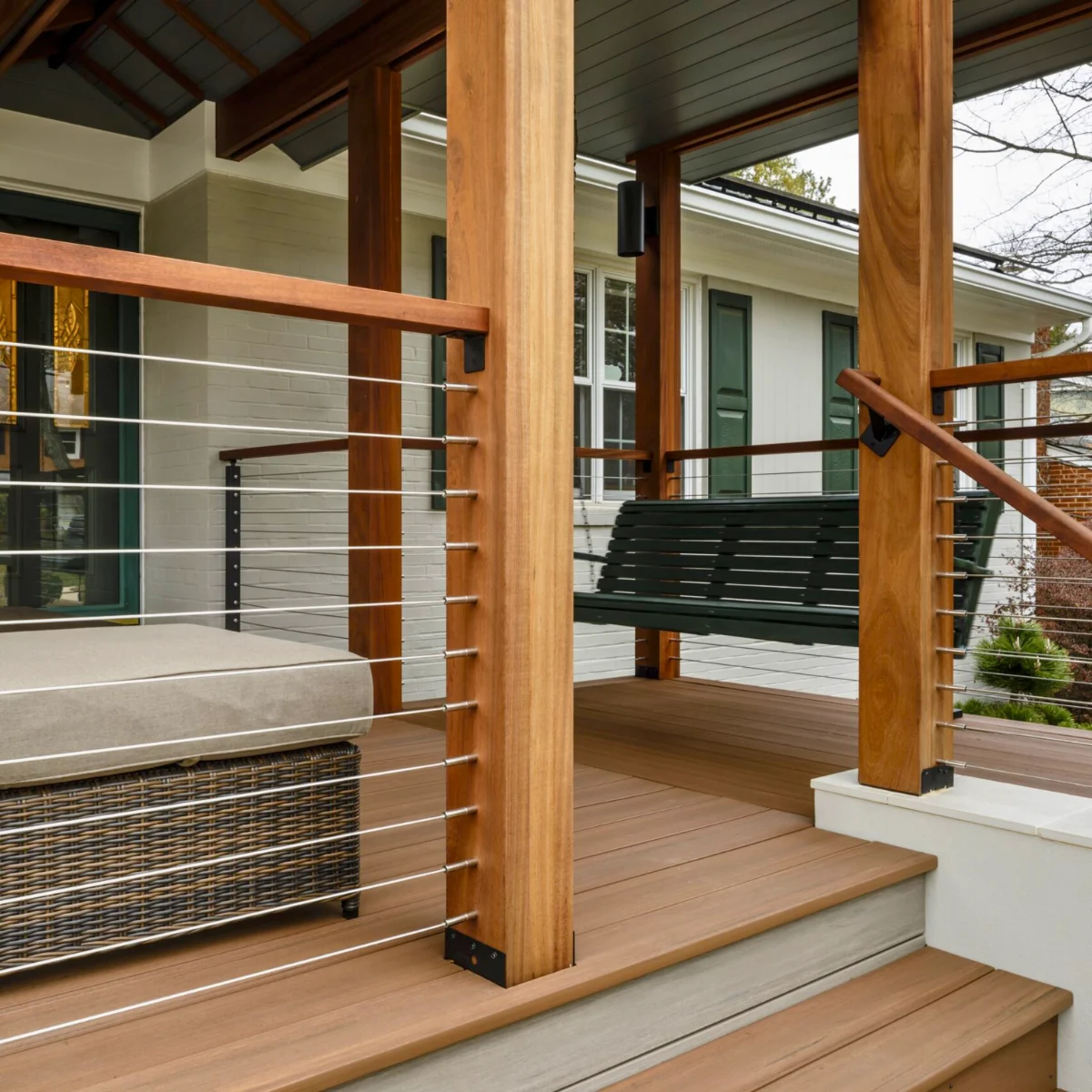
DriveTite
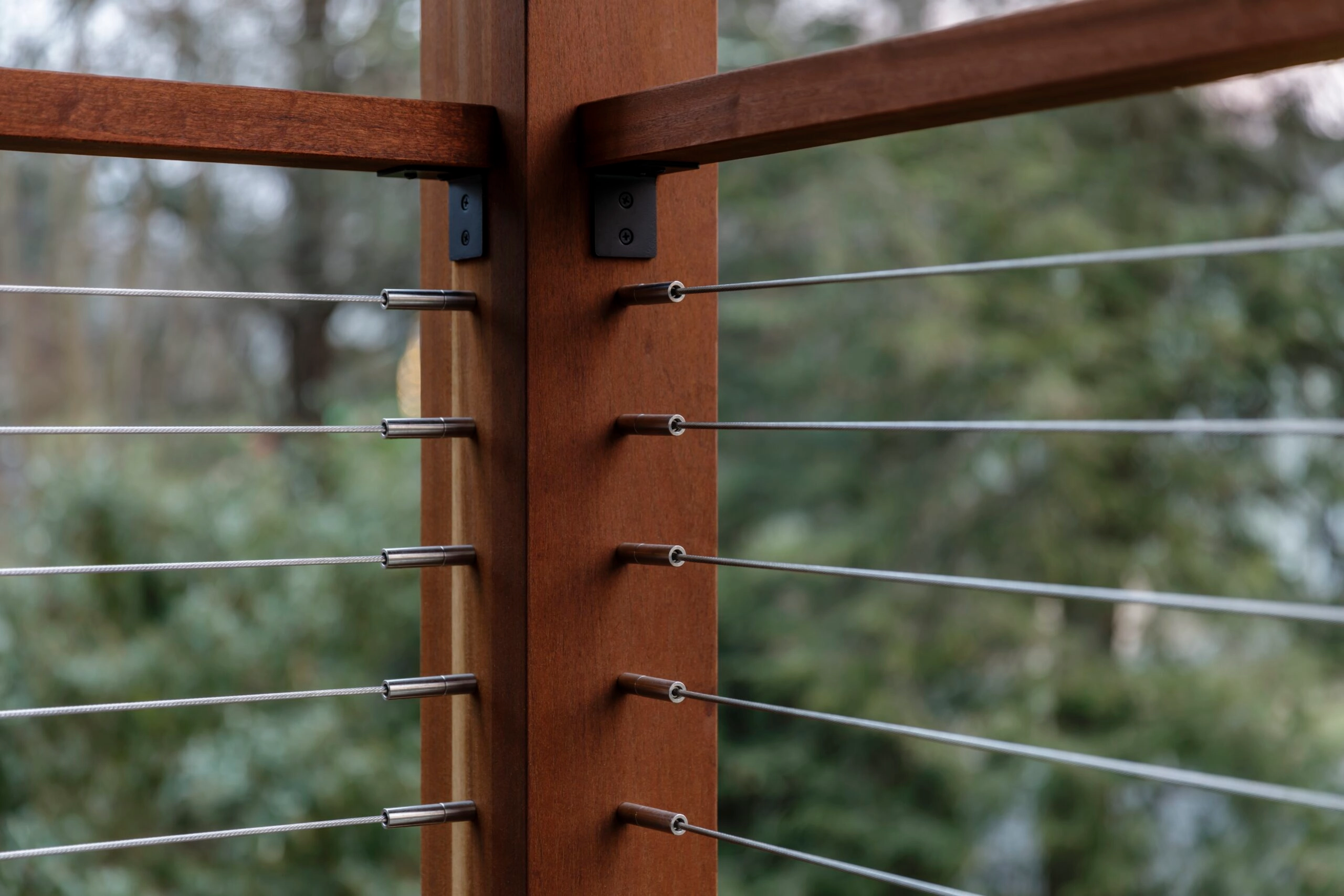
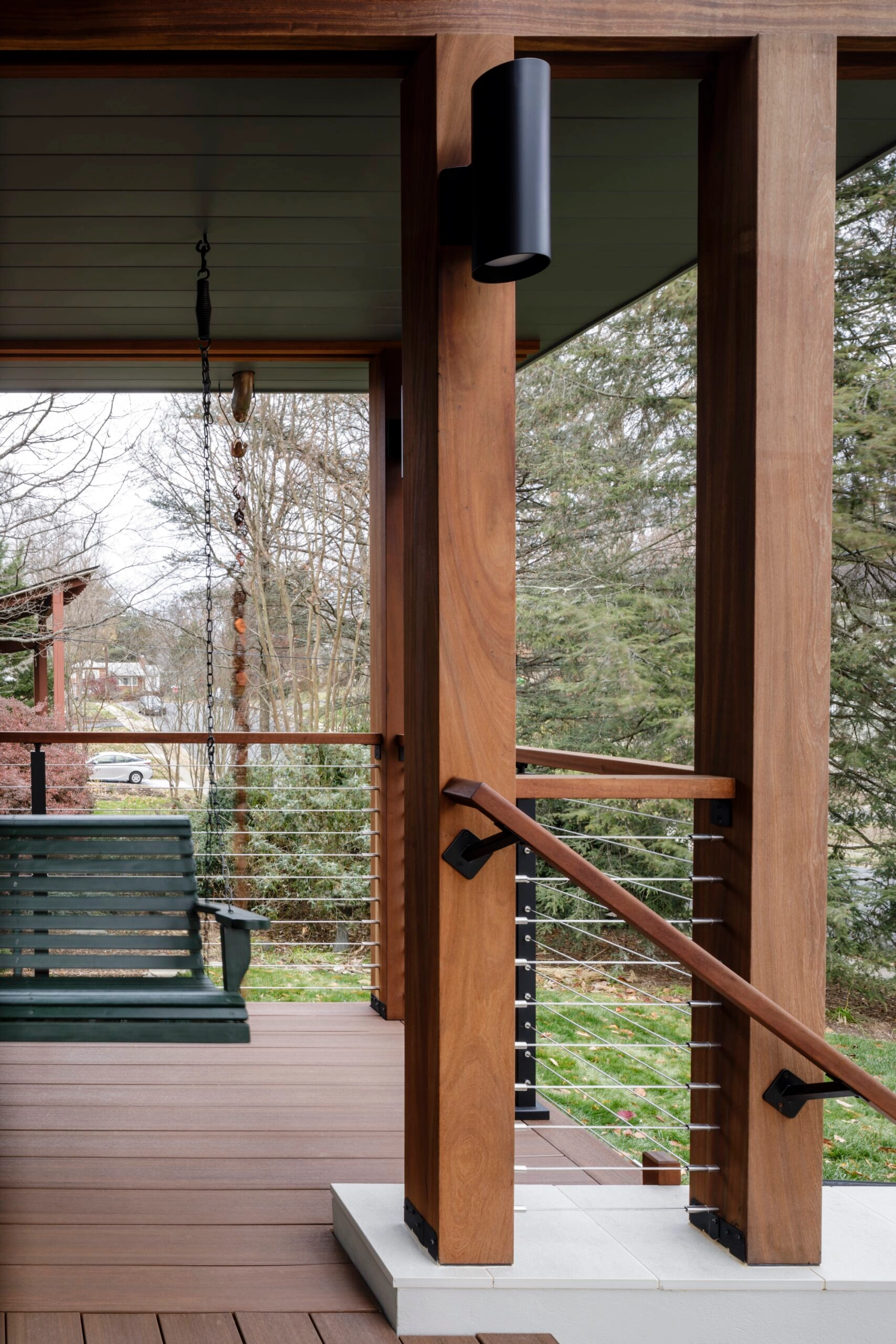
Level up your wood posts with DriveTite cable railing kits that fasten directly into new or existing wood posts. Made from stainless steel, Drivetite looks great longer, whether indoors or outdoors. Pair with Express posts for longer runs and a mixed-material look.
.webp)
.webp)
What you need to know when buying Express cable railing
What you need to know when buying Express cable railing
What you need to know when buying Express cable railing
What you need to know when buying Express cable railing
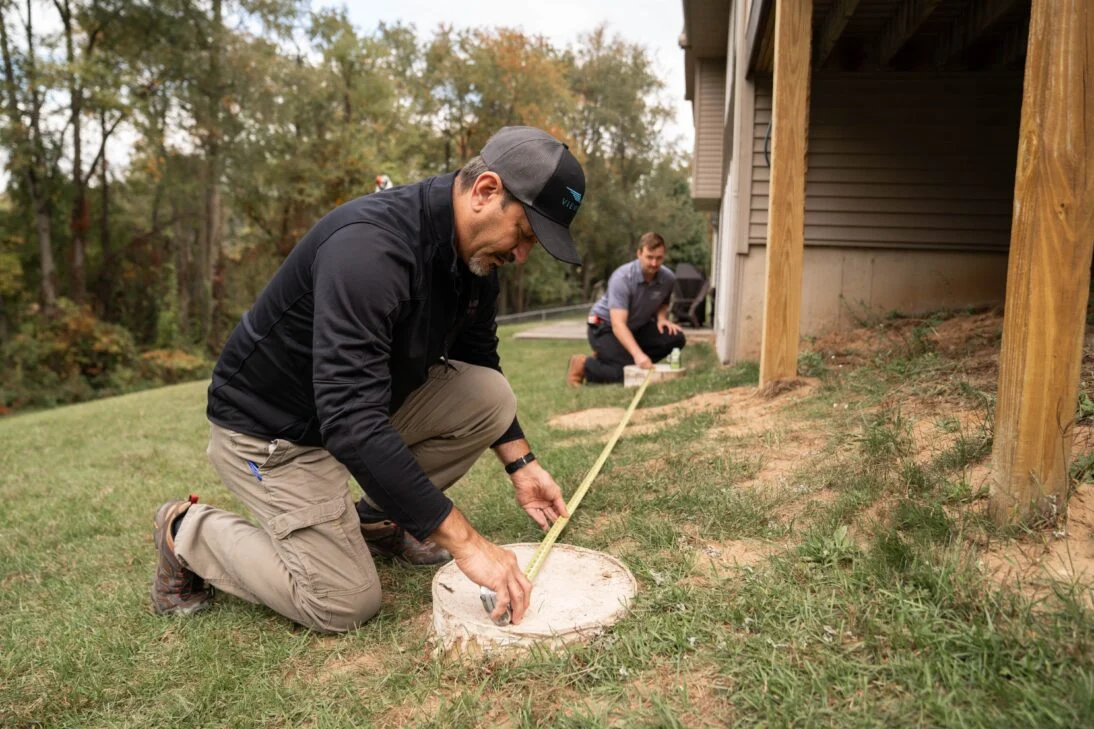
If you're looking to Do It Yourself, there's more to your cable railing system than the posts and wire. We’ve broken down everything you need to know in order to make the right decision for your next Express cable railing project.


Frequently Asked Questions
How many posts will I need?
Posts go no more than four feet apart, center to center, which is what our testing is based on. Divide the length of your run by four. If that comes out to a whole number, subtract one. If it doesn't, round down. Either way that's your line post count, and every run adds two end posts on top of it.
A 20-foot run works out to four line posts and two end posts, so six in total. A 22-foot run gives you five line posts and two end posts, so seven.
On stairs, plan a post every fifth step at most. Starting from the end post at the bottom, that puts your next post on the fifth step.
Does DriveTite work in any wood?
It needs a Janka hardness rating of 690 or above, which pressure-treated pine meets. Cedar, cypress and Douglas fir are all too soft. You also need at least 2.5 inches of solid material to drill into, and at least four inches at a corner so the two runs don't drill into each other. If your posts don't clear both, DriveTite won't hold, and your rep can point you to a system that brings its own posts.
Can I mount Express to my deck fascia?
Only if you have the depth for it. The slim side mount plate is six inches tall and its top edge sits 1 3/8 inches below the deck surface, so you need at least eight inches of fascia with solid blocking behind it. Measure before you order — this is the most common reason a fascia-mount plan has to change.
How far apart do posts and infill need to be?
Cable and rod runs sit 3 1/8 inches on center and posts go no more than four feet apart, which holds deflection inside the four-inch sphere rule. A 36-inch system usually takes ten runs, a 39-inch takes eleven, and a 42-inch takes twelve. Confirm against your local code before ordering.
Do Viewrail systems meet building code?
Our systems are engineered to meet or exceed the guard and handrail requirements that apply to your project, and several carry ICC Evaluation Service Reports (ESRs). Final authority always rests with your local building official, so tell us which code your jurisdiction has adopted and we'll design to it and share the engineering data with your submittal.
Do you provide drawings for permits and inspections?
Yes. We supply coordinated shop drawings for your project, and your rep can include calculation packages and state-specific documentation when your local building department requires them.
What should I include on drawings?
The more you can send up front, the faster design moves. Most useful is a typical plan set, with your markups on it if you have them. Beyond that:
- Project address and the code edition your jurisdiction has adopted
- Where guards are needed and at what heights
- Substrate at mounting locations, plus any blocking already planned
- Layout targets, corners and terminations
- Finish selections for anything visible
If all you have is an idea, a few photos and some measurements are enough to start.
What's the difference between Signature and Express?
Signature is made to order. You choose the infill, finish, handrail and post mounting style, then work with a dedicated project team from design through install. It's the path for stair applications, coastal projects, and anything that needs to match a specific space. Express is the faster alternative if you want a fixed configuration off the shelf.
Will DriveTite work with the wood posts I already have?
That's what it's for. DriveTite terminates cable or rod infill straight into new or existing wood posts, with no through-drilling and no rebuilding. The fittings are low profile and seat into the post behind a screw-on cover, so the infill is what you see rather than turnbuckles and tensioning hardware.
What can I choose with Express?
Finish, handrail, mounting style, height and lengths. Express comes in three powder coats — Standard Black, Standard Silver and Standard White — with a choice of three handrails and cable infill, on 36 or 42 inch posts. That fixed set is what keeps it in stock and priced below made-to-order. For any other finish, profile or infill, Signature is the path.
Should I choose cable or rod infill?
Cable is the classic look and our flagship infill, and the most cost-effective of the two. It needs occasional re-tensioning over time. Rod is stiffer, tests stronger, and needs re-tensioning far less often. If your project is coastal, rod on 2205 stainless is the surer path.
What post mounting styles does Express come in?
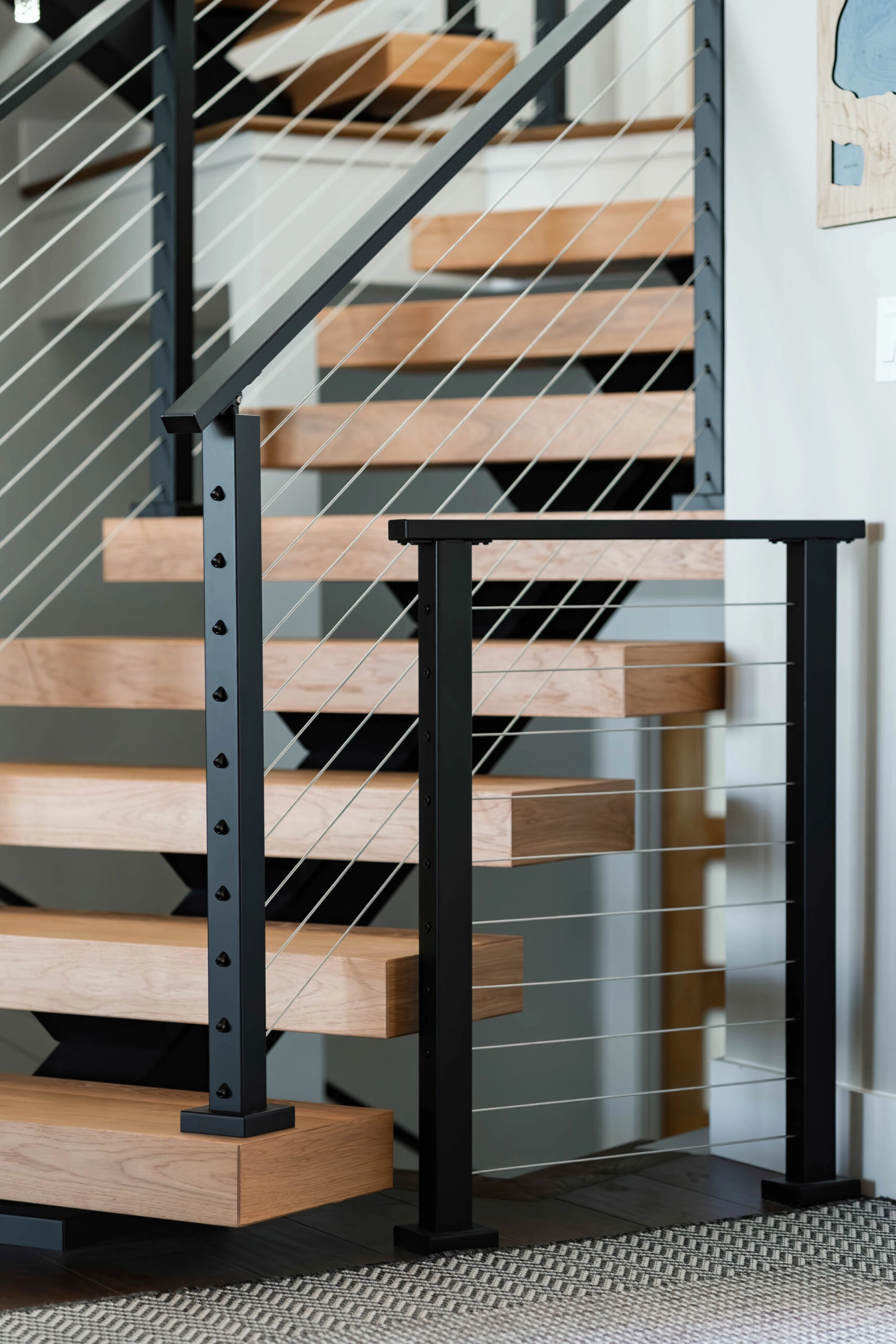
Surface mount and slim side mount, each in a level and a stair version. Surface mount sits on top of your deck or treads and is the straightforward choice for most decks. Slim side mount fastens to the fascia instead, which keeps the walking surface completely clear and is worth it on a narrow stair.
What's the difference between the level and angle kits?
Level kits fasten into the face of the post through a single pilot hole and hide everything behind a slim cover. Angle kits use a tensioning screw and barrel fitting mounted to the post face, with a cover that slides on over the infill. Level for decks and balconies, angle for stair runs. Order by run type, not by post.
Can Signature railing work with my FLIGHT stairs?
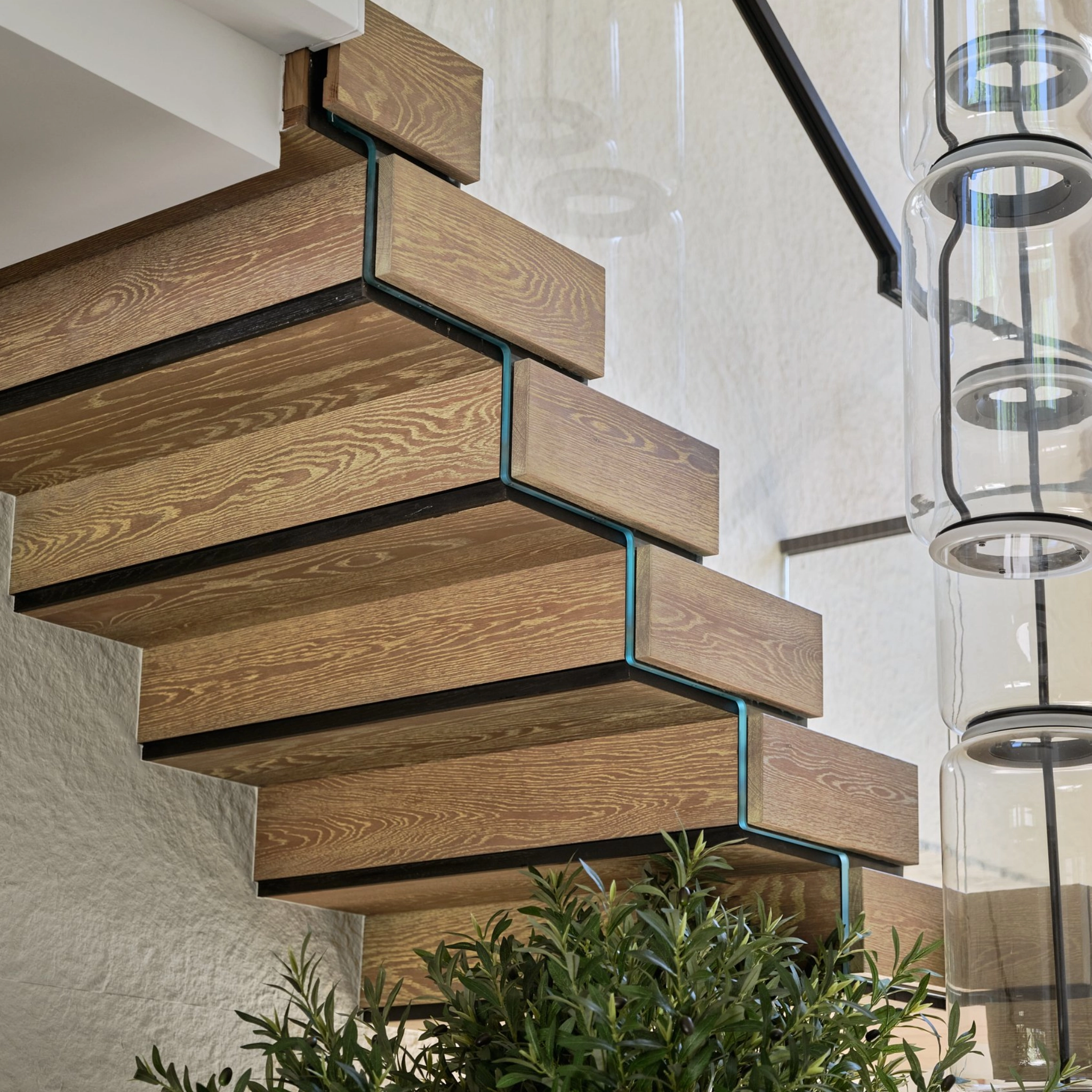
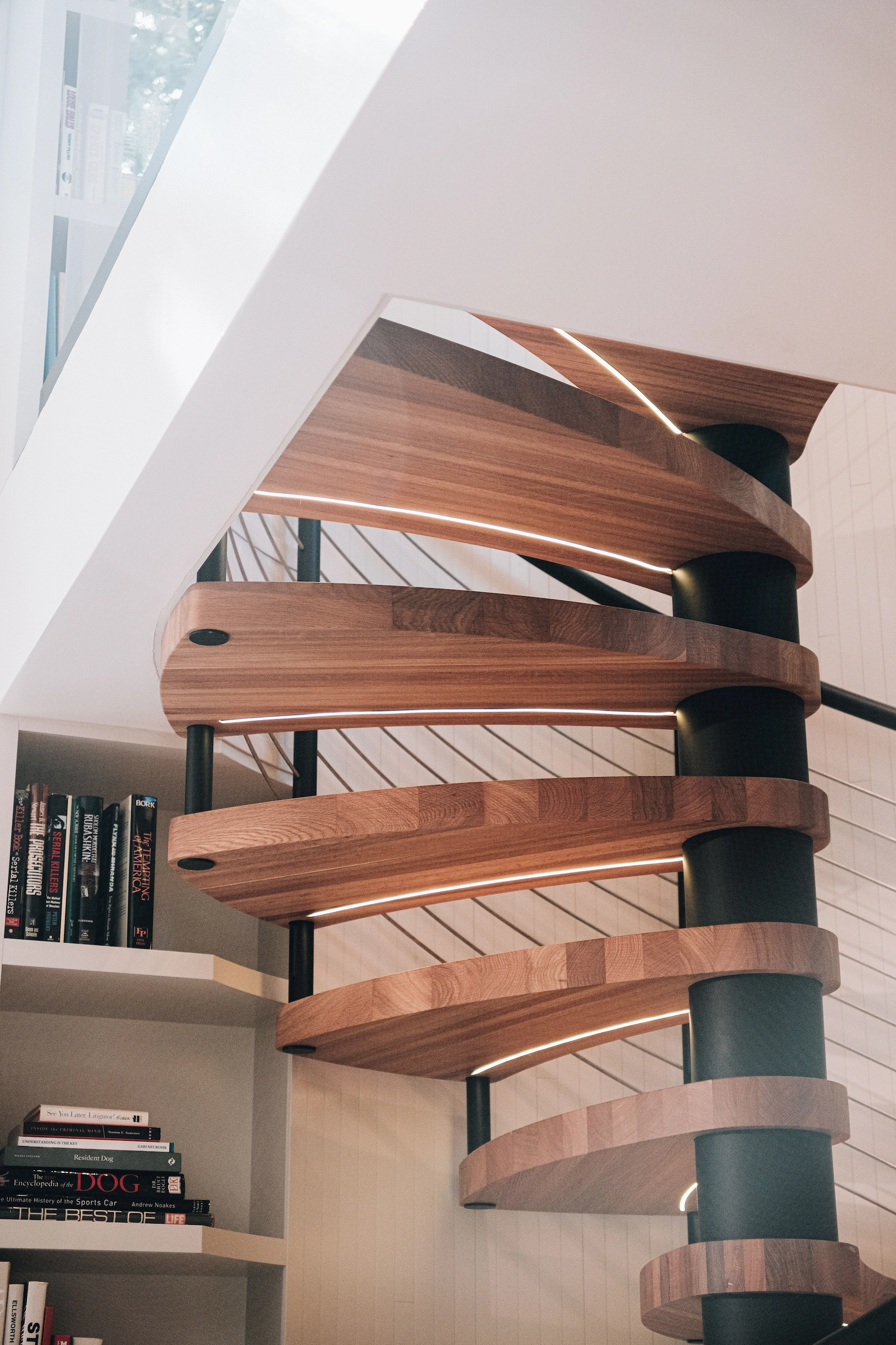
Yes. Signature is compatible with FLIGHT Mono and FLIGHT Spiral. Tread side mount and inset tread side mount are exclusive to the FLIGHT Mono line.
Can I run Express around my deck and down the stairs?
Yes, with double posts at the stair transitions. Express level posts and stair posts don't join to each other, so where the deck run meets the stair you'll stand a post for each. If you want the transition to read as one continuous system instead, that's a Signature conversation — talk to us before you order.
Can I use rod infill instead of cable?
Yes. DriveTite Rod uses the same hidden hardware and the same wood posts as the cable version. Rod is stiffer, tests stronger, and handles an angled run cleanly. It still needs re-tensioning, just far less often than cable. Both anchor into the same 2.5 inches of solid wood.
How many finish and handrail options are there?
23 powder coat finishes, 16 handrail types across metal and wood, and nine post mounting styles. Posts come in aluminum, 304 stainless or 2205 stainless, with infill in 304, 316 or 2205 stainless.
What post heights does Express come in?
36 and 42 inches. A 36-inch post comes pre-drilled for ten cable runs and a 42-inch for twelve, all spaced 3 1/8 inches on center. Check which guard height your jurisdiction requires before ordering, since some call for 42. Anything outside those two heights means a Signature system.
What shows on the post once it's installed?
Just the infill and a slim cover at each end. The fittings seat into the post rather than sitting proud of the face, and there's no through-drilling out the far side. The components are marine-grade 316 stainless.
How do corners work on an Express run?
One post per turn. Our corner post is drilled on three faces, so two runs meet at 90 degrees and each one terminates cleanly rather than bending cable around the corner. Most systems make you stand two posts back to back at every turn. You don't need to, which saves material and keeps the view open.
What handrail comes with Express?
Three to choose from:
- The standard 1 x 2 inch aluminum rail
- A 1 x 4 inch beverage rail, wide enough to set a drink on
- The 6002 thermally modified wood rail, for exterior runs
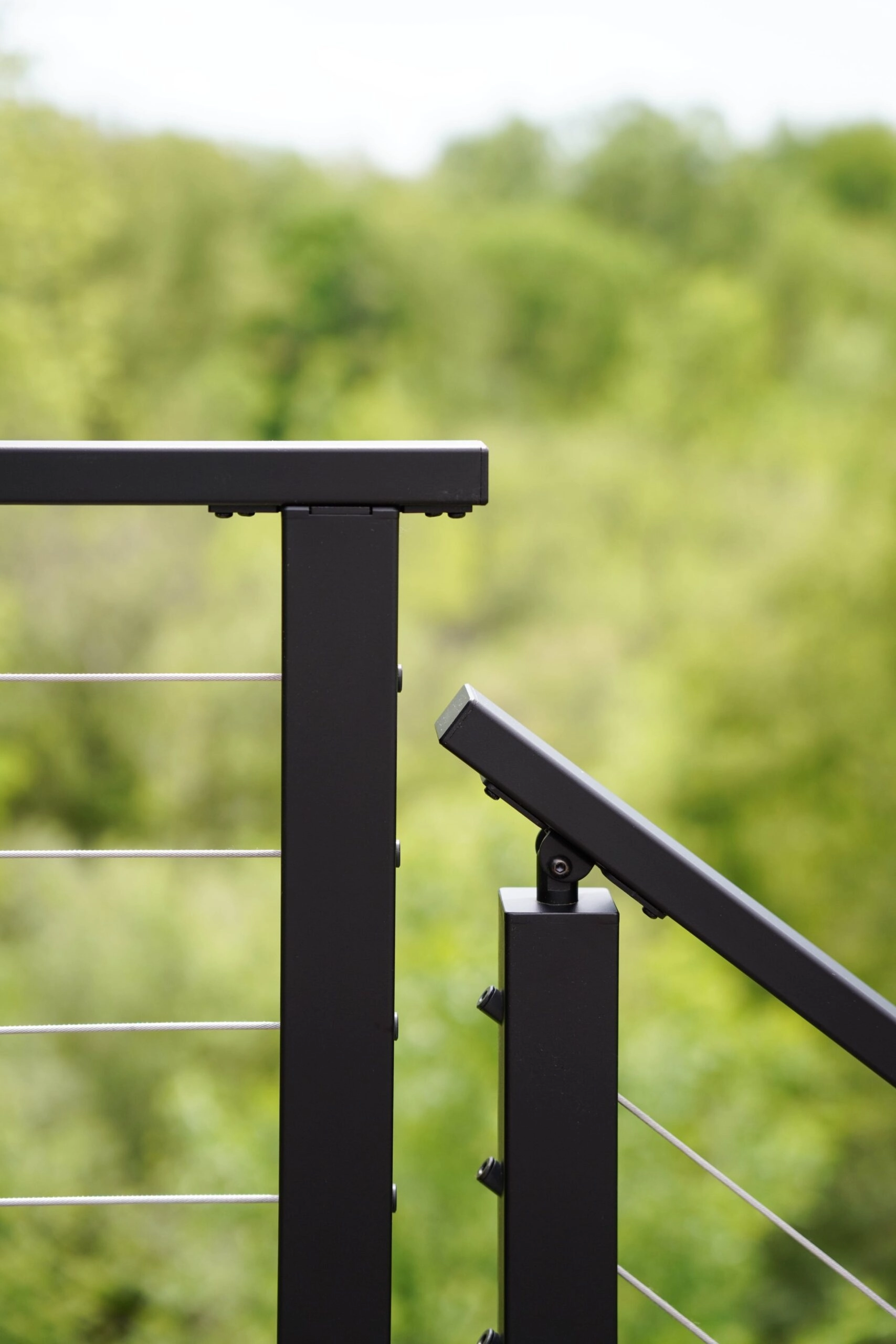
The aluminum profiles come in the same three finishes as the posts and ship in 8.5-foot lengths, cut to length on site. Brackets are included with the posts, and the stair brackets pivot to match whatever angle your flight runs at.
Which handrail profile should I choose?
It comes down to grip requirements and the look you're after. The 6004 has two finger slots and suits commercial projects or any stair needing a dedicated graspable profile. The 6000 Mission and the 6200 are clean rectangular profiles, and the 6084 has a wide top with an inward finger recess. Across profiles, the 2205 stainless options are the ones rated for coastal locations.
What's the difference between a handrail and a top cap?
A handrail is the graspable element you hold going up and down stairs. A top cap, also called a cap rail, ties the panels together so the guard stays put even if one breaks. In many designs the top of the guard doubles as the handrail, as long as it meets handrail usability rules.
How many DriveTite kits do I need?
Count your end posts, then multiply by the number of infill lines your railing height calls for. We recommend ten lines at 36 inches, eleven at 39, and twelve at 42. If your height falls between those, round up: a 37.5-inch guard calculates at eleven.
A 12 by 20 by 12 deck gives you three runs and six end posts. At eleven lines that's 66 single kits, or six 11-packs.
You still want an intermediate post every four feet to control deflection and support the guard. Where your wood posts sit further apart than that, Express line posts can fill in.
How much does cable or rod railing cost?
Most Viewrail cable and rod railing lands between $60 and $245 per linear foot, depending on the infill you choose and whether you go Express or Signature. Express cable sits at the low end, coastal-rated rod at the high end.
What's included in a Viewrail quote?
Design, engineering, the system hardware, your finish selections, and any recommended handrail or brackets. We'll also note substrate requirements and share the install guides. Everything comes from one place rather than being pieced together from separate suppliers.
How do I get a quote?
Send us what you have, even if that's just photos and rough dimensions. We'll come back within one business day to walk through next steps and work out what else we need.
Is Express really something I can install myself?
Yes, and it's built for it. Posts arrive pre-drilled, all hardware is included, the fittings are hidden and swaged, and you can turn a corner with a single post rather than doubling up. Most homeowners work through a run with common tools and our instructions.
What tools do I need for DriveTite?
A drill, a T25 bit, cable cutters and a crimper. Our DriveTite Installation Kit bundles the specialized ones so you aren't sourcing them separately. Past that it's a tape measure and a roll of painter's tape to mark your drill points without marking the post.
How fast does Express ship?
Express is kept in stock, and most orders ship within one to three business days.
How fast does DriveTite ship?
DriveTite kits are kept in stock and ship the next business day.
Can I install cable or rod railing myself?
Cable and rod railing are among the most DIY-friendly systems we make, as long as your layout is clear and your posts go in correctly. Express ships ready to install, DriveTite drills into wood posts you already have, and Signature is the path for larger or coastal projects.
How do you ship and deliver?
Orders ship in protective crates with components labeled to match your drawings, which makes staging on site far easier. Your rep will give you a delivery timeline based on your location and scope. Some orders qualify for Viewrail Delivery, where we bring everything on our own trucks with drivers who can confirm your order on arrival and answer questions.
Who installs my system?
Either your own crew or ours. Many general contractors and stair crews install from our documentation. If you'd rather not lift a finger, our nationwide network of Certified Installers have trained on site specifically on Viewrail systems, and choosing one adds a two-year labor and workmanship warranty.
What's the process from quote to install?
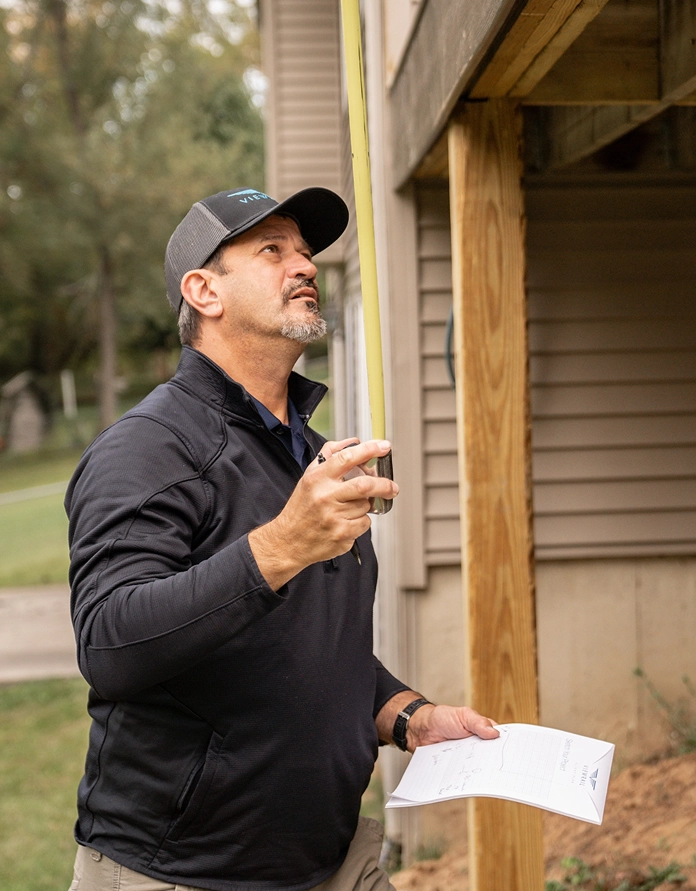
Six steps. We scope the project and budget, take site measurements and review them, engineer the system and get your approval on drawings, produce everything in Indiana, deliver, then install and walk the finished work with you. Nothing gets figured out on site.
How long does installation take?
Days rather than weeks for most projects. A straight stair often finishes in one to five days depending on scope and how ready the site is. Railing runs vary with length and complexity. Your installer will confirm a schedule when they measure.
Can I use Express outdoors?
Outdoors, yes. Coastal, no. Express uses a High Performance (AAMA 2604) powder coat and sits outside the Coastal Products Warranty. Within five miles of saltwater, go with Signature on 2205 stainless posts, or Signature aluminum posts in our Superior Performance powder coat. That coating carries an AAMA 2605 certification, the highest performance standard for exterior architectural coatings on aluminum extrusions and panels.
Can I use DriveTite near the coast?
We don't recommend it. The kit hardware is marine-grade 316 stainless, but the assembly as a whole sits outside the Coastal Products Warranty. Within five miles of saltwater, Signature on 2205 stainless posts is the system to specify.
Is cable railing safe for coastal regions?
Coastal means within five miles of saltwater. Cable there requires 2205 stainless posts, plus routine cleaning to keep the cable and fittings from discoloring and surface rusting. Boeshield T-9 slows that down.
In an extreme coastal environment we'd steer you off cable. Rod or glass infill, on 2205 brushed stainless posts or on aluminum posts in Superior Performance (AAMA 2605) powder coat, holds up far better, and that specification is what a warranty claim requires. Isolation hardware and anti-corrosion lubricant ship with the order wherever stainless meets aluminum. Express surface and side mount posts aren't coastal rated, so talk to your rep before ordering anything near the coast.
How is the finish warrantied?
Coverage follows the powder coat. Superior Performance (AAMA 2605) powder coat is our exterior and coastal grade. High Performance (AAMA 2604) powder coat is intended for interior and sheltered exterior work. Structural coverage is separate and varies by product, so check the full warranty for your system.
What finish holds up best in my region?
Powder-coated aluminum performs well in most climates, coastal included, as long as the coating is right. Within five miles of saltwater, specify Superior Performance (AAMA 2605) powder coat, with 2205 stainless for the infill and exposed hardware. High Performance (AAMA 2604) is the right choice for interior and sheltered exterior work, but it is not coastal-rated.
Read Why 2205 Stainless Steel Is the Gold Standard for Coastal Railing